


It’s Worth the Drive – S3E9: Fluid Motion
 Episode 9 – Fluid Motion
The Story Continues…
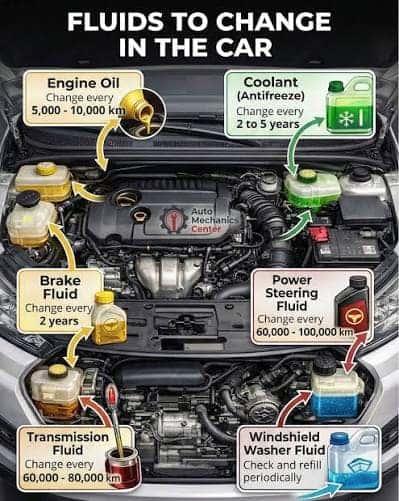
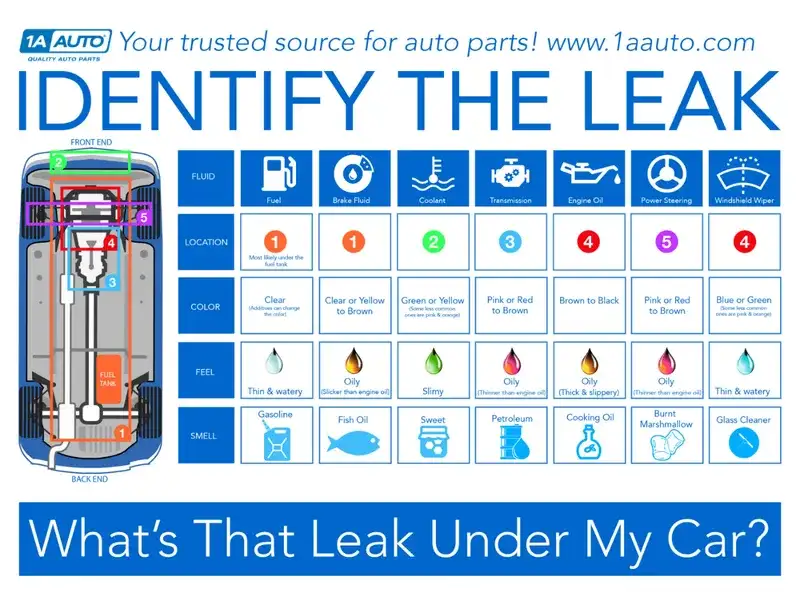
Brake fluid. Power steering fluid. Washer fluid.
Bentley reads each label aloud like a checklist…
The Hidden Lifelines of the Automobile
When most people think about automotive fluids, engine oil and coolant immediately come to mind. Both are essential, and neither vehicle nor engine could survive long without them.
Yet modern automobiles depend on an entire network of specialized fluids working behind the scenes. These liquids help drivers steer, stop, see, shift, and safely operate their vehicles every day.
Some serve as lubricants. Others transmit hydraulic force. Some clean surfaces or protect mechanical components from corrosion and wear.
Although often overlooked, these fluids have evolved dramatically throughout automotive history and have become just as important as the engines they support.
Hydraulics Change Everything
Many of the automotive fluids we rely on today owe their existence to hydraulics.
Unlike mechanical systems that use rods, cables, or gears to transfer force, hydraulic systems use fluid pressure. Because liquids are nearly incompressible, force can be transmitted smoothly and efficiently throughout a vehicle.
Beginning in the early twentieth century, manufacturers discovered that hydraulic systems could simplify vehicle operation while improving safety and comfort.
This innovation led to the development of several fluids that remain essential today.
Brake Fluid: Making Modern Stopping Possible
One of the most important automotive fluids ever developed is brake fluid.
Early automobiles relied on purely mechanical braking systems. Steel rods, cables, and levers connected the brake pedal to the wheels. While functional, these systems were often difficult to adjust and unreliable under heavy use.
The widespread adoption of hydraulic brakes during the 1920s and 1930s transformed vehicle safety.
Brake fluid became the medium that converted the driver’s foot pressure into the hydraulic force needed to stop the vehicle.
When the driver presses the brake pedal:
- The master cylinder pressurizes the fluid
- Pressure travels through brake lines
- Wheel cylinders or calipers apply braking force
The entire system depends on the fluid’s ability to transfer pressure instantly.
Today, specialized brake fluids are engineered to withstand extreme temperatures while resisting moisture contamination and corrosion.
Without brake fluid, modern braking systems simply would not function.
Power Steering Fluid: Making Driving Easier
For much of automotive history, steering required significant physical effort.
Large steering wheels helped drivers gain leverage, but maneuvering heavy vehicles at low speeds remained challenging.
The introduction of hydraulic power steering during the mid-twentieth century changed the driving experience dramatically.
Power steering fluid allows hydraulic pressure to assist steering input, reducing driver effort and improving maneuverability.
As fluid flows through the steering system, it:
- transfers hydraulic force
- lubricates internal components
- dissipates heat
- protects seals and hoses
The result is smoother, easier steering that became an expected feature of modern vehicles.
Although many modern vehicles now use electric power steering, hydraulic systems served millions of drivers for decades and remain common in many vehicles today.
Windshield Washer Fluid: A Simple Safety Innovation
Not all automotive fluids operate deep inside the vehicle.
Windshield washer fluid plays a critical role in driver visibility.
Early drivers often relied on hand-cleaning their windshields whenever mud, bugs, dust, or road grime accumulated during travel.
As vehicle speeds increased and roads improved, maintaining visibility became increasingly important.
Modern washer fluids contain:
- water
- cleaning agents
- alcohols
- anti-freezing compounds
Together, these ingredients help remove:
- dirt
- insects
- road salt
- debris
While simple compared to other vehicle fluids, windshield washer fluid directly contributes to safe driving by helping drivers maintain a clear view of the road ahead.
Fuel: The Fluid That Powers Everything
Fuel may not always be thought of as a vehicle fluid in the same way as oil or coolant, but it remains one of the most important liquids in automotive history.
The automobile industry itself developed around liquid fuels.
When Karl Benz introduced his automobile in 1885, fuel was little more than a byproduct of petroleum refining. As automobiles became more popular, gasoline rapidly became one of the world’s most valuable commodities.
Fuel does more than provide energy.
Modern fuels also help:
- cool fuel injectors
- reduce deposits
- improve combustion efficiency
- support emissions-control systems
Advances in fuel formulation have continually improved:
- engine efficiency
- reliability
- performance
- environmental impact
The history of the automobile cannot be separated from the history of fuel.
The Rise of Specialized Fluids
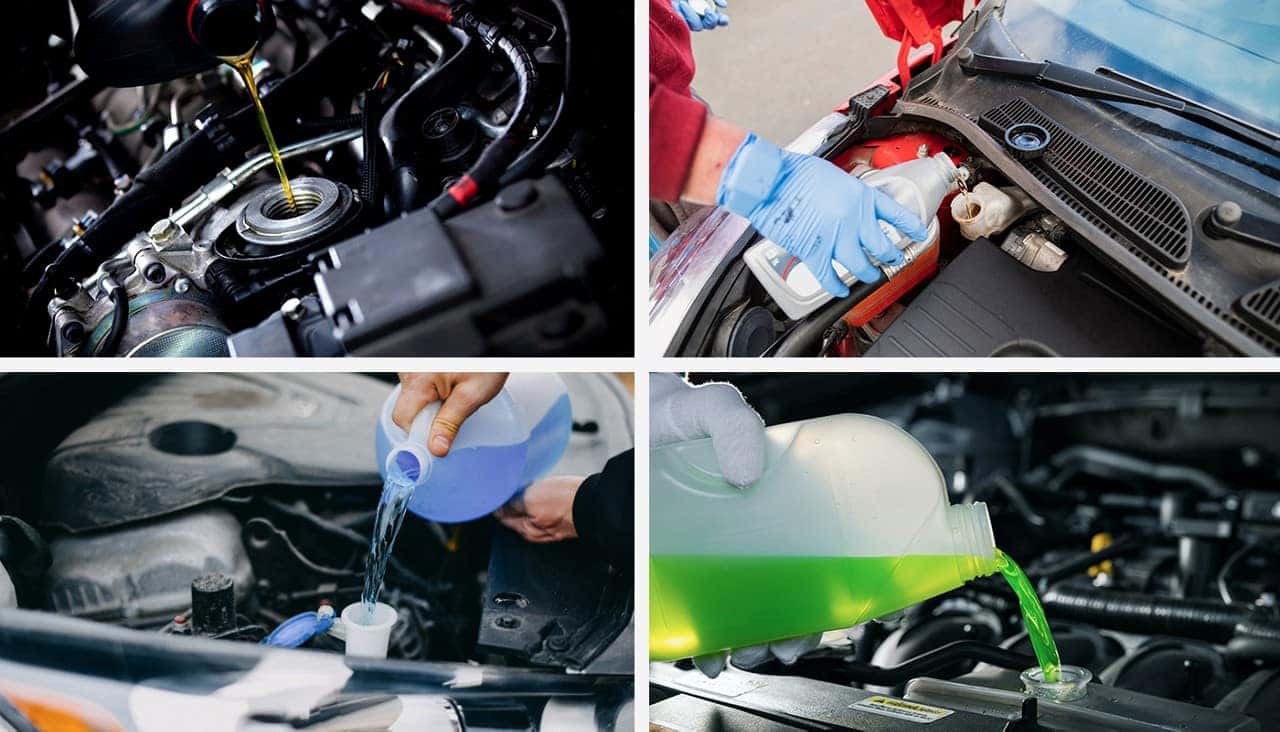
As vehicles became more sophisticated, manufacturers developed fluids designed for highly specific applications.
These fluids help operate systems such as:
- hydraulic suspensions
- active ride-control systems
- convertible roof mechanisms
- four-wheel-drive transfer cases
- electronic braking systems
Each fluid is carefully engineered to meet precise performance requirements.
Modern vehicle design increasingly depends on specialized fluid chemistry as much as mechanical engineering.
Environmental Responsibility and Recycling
Historically, automotive fluids were often discarded with little consideration for environmental impact.
As awareness grew regarding pollution and resource conservation, the industry responded with improved formulations and recycling programs.
Today:
- Used brake fluids are carefully managed
- Fuel systems are cleaner and more efficient
- Washer fluid formulations are less environmentally harmful
- Hydraulic fluids last longer than ever before
Many automotive fluids are now designed with both performance and environmental responsibility in mind.
The Future of Automotive Fluids
Even as vehicle technology evolves, fluids remain critical.
Electric vehicles may eliminate engine oil and traditional fuel, but they still require carefully engineered fluids for:
- thermal management
- cooling systems
- reduction gears
- braking systems
- battery temperature control
Future developments are likely to include:
- biodegradable fluids
- longer service-life formulations
- advanced cooling fluids for electric vehicles
- more environmentally sustainable products
The role of automotive fluids is changing, but it is not disappearing.
Why It Still Matters at Mills Auto Group
Every vehicle depends on far more than just gasoline, oil, and coolant. Brake fluid, power steering fluid, washer fluid, fuel, and other specialized fluids all play important roles in keeping vehicles safe, reliable, and enjoyable to drive.
At Mills Auto Group, being Trusted for Generations means helping customers understand the systems that keep their vehicles performing at their best. Regular inspections and proper fluid maintenance help protect critical components, improve safety, and extend vehicle life.
Many of these fluids go unnoticed until a problem develops. Yet every time a driver stops safely, turns effortlessly into a parking space, clears a windshield during a storm, or starts a vehicle on a cold morning, these specialized fluids are doing exactly what generations of engineers designed them to do.
They may not receive the attention of engines or transmissions, but they remain among the most important contributors to the modern driving experience.
Closing Scene…
…“So the car needs lots of different drinks,” she says.
“Yes,” he agrees. “And it runs best when none of them are empty.”
To Be Continued…
 Miranda, Jen. “How to Check and Maintain Your Essential Car Fluids.” Aaa.Com, 9 May 2025, https://www.acg.aaa.com/connect/blogs/4c/auto/car-fluids-check. Accessed 17 July 2026.
sitemanagerwpmanagerio. “What Are All the Fluids My Car Uses and What Do They Do?” HCS Auto Repair, 8 May 2025, https://hcsrepair.com/what-are-all-the-fluids-my-car-uses-and-what-do-they-do/. Accessed 17 July 2026.
Valvoline. “Evolution of Automotive Lubricants: Past, Present, and Future – ValvolineTM Global Europe – EN.” Valvolineglobal.Com, 2025, https://www.valvolineglobal.com/en-eur/evolution-of-automotive-lubricants/. Accessed 17 July 2026.










0 comment(s) so far on It’s Worth the Drive – S3E9: Fluid Motion