


It’s Worth the Drive – S3E7: Two Pedals or Three?
Episode 7 -Two Pedals or Three?
The Story Continues…
Her grandpa points to an old photo taped to the wall — him, younger, leaning against a car.
“I had to do all the thinking myself back then,” he says.
Bentley looks at the pedals. “That seems stressful.”…
A Choice That Shaped Driving
For most of automotive history, driving required active participation. Every start, every stop, every hill, and every acceleration involved selecting gears and coordinating footwork. Learning to drive meant learning how to manage a transmission.
Today, that experience has largely disappeared. Most modern drivers simply place the vehicle into Drive and go.
The story of manual and automatic transmissions is more than a tale of engineering—it is a story about how automobiles evolved to become more accessible, more convenient, and more adaptable to the needs of drivers.
The Age of the Manual Transmission
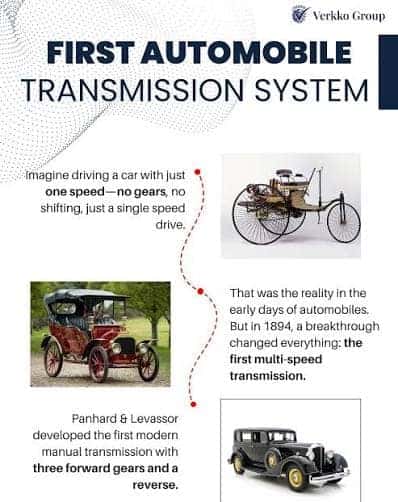
The first practical automobiles relied entirely on manual gear selection.
Early transmissions were crude and demanding. Drivers had to:
- engage and disengage the clutch
- select gears manually
- match engine speeds during shifts
- listen and feel for proper engagement
Mistakes were common and often accompanied by loud grinding noises.
These early gearboxes became known as “crash boxes” because shifting smoothly required significant skill.
In many ways, early motorists were expected to be mechanics as much as drivers.
Driving Was an Acquired Skill
Learning to operate a manual transmission wasn’t easy.
Drivers learned techniques such as:
- throttle matching
- double-clutching
- downshifting
- engine braking
A smooth shift was a sign of experience and mechanical understanding.
As automobiles became more common, manufacturers worked to simplify the process. One of the most important advancements was the development of the synchromesh transmission during the 1920s, which automatically matched gear speeds before engagement.
Suddenly, driving became easier, quieter, and more accessible.
The Manual Becomes the Standard
By the middle of the twentieth century, manual transmissions dominated the automotive world.
They were:
- durable
- efficient
- inexpensive
- relatively simple to repair
Three-speed manuals became commonplace, while four-speed transmissions were often associated with performance vehicles. As technology advanced, five-, six-, and even seven-speed manuals appeared.
For generations of drivers, operating a clutch and gear lever was simply part of the driving experience.
The Dream of Automatic Shifting
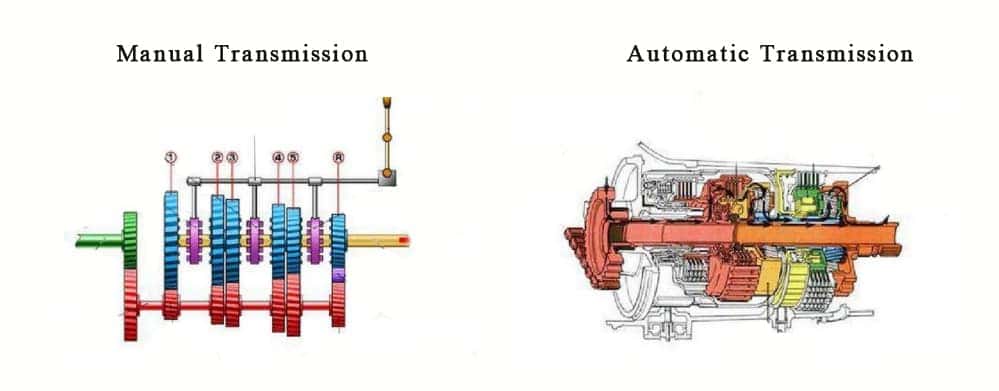
Even while manuals dominated the market, engineers searched for ways to make driving easier.
As cities grew and traffic increased, constantly shifting gears became more tiring. Manufacturers began experimenting with systems that could change gears automatically.
Some early concepts appeared surprisingly early. In 1904, the Sturtevant brothers developed a transmission that shifted automatically using centrifugal weights. While innovative, it suffered reliability problems and never gained widespread acceptance.
Still, the idea persisted.
The Hydra-Matic Revolution
Everything changed in 1939.
General Motors introduced the Hydra-Matic transmission in Oldsmobile vehicles for the 1940 model year, creating the first successful mass-produced fully automatic transmission.
For the first time, drivers no longer needed to:
- operate a clutch pedal
- select gears manually
- coordinate engine and transmission speeds
The vehicle handled those tasks automatically.
To many motorists, it seemed almost magical.
Changing the Driving Experience
Automatic transmissions transformed how people interacted with automobiles.
Driving became:
- easier to learn
- less physically demanding
- more comfortable in traffic
- accessible to a broader audience
Many new drivers who might have been intimidated by a manual transmission suddenly found driving approachable.
The automatic transmission helped make the automobile a truly mass-market product.
Postwar Popularity
Following World War II, automatic transmissions spread rapidly throughout the American market.
At first, they were luxury options found largely on:
- Cadillacs
- Buicks
- Oldsmobiles
- Lincolns
As production costs declined and reliability improved, automatics became increasingly common.
By the 1960s, many American buyers preferred automatics, particularly as suburban commuting and urban traffic became everyday realities.
The Great Debate
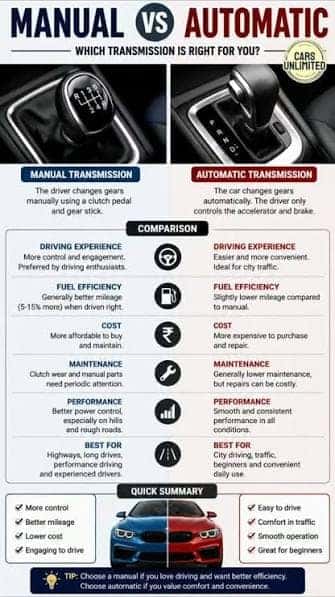
For decades, neither system completely dominated.
Instead, a debate emerged that still continues among automotive enthusiasts.
Supporters of Manual Transmissions Praised:
- Greater driver involvement
- More direct control
- Mechanical simplicity
- Lower cost
- Better fuel economy (historically)
Supporters of Automatic Transmissions Preferred:
- Convenience
- Ease of operation
- Smooth shifting
- Reduced fatigue
- Accessibility
For years, both sides had valid arguments.
Technology Changes the Balance
Beginning in the 1980s, automatic transmissions improved dramatically.
Electronic controls allowed vehicles to:
- monitor speed
- track throttle position
- predict shift timing
- optimize fuel economy
As computers became more sophisticated, automatics evolved from simple convenience features into highly efficient drivetrain systems.
Many of the traditional advantages of manuals began to disappear.
Modern automatics could:
- shift faster
- improve fuel economy
- maximize performance
- reduce emissions
In many cases, they surpassed the average driver’s ability to operate a manual transmission efficiently.
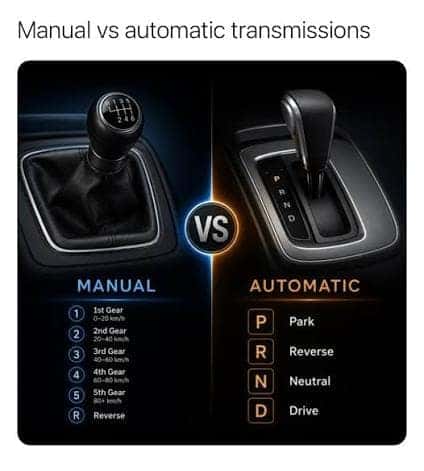
The Rise of New Transmission Types
Transmission evolution didn’t stop with traditional automatics.
Continuously Variable Transmissions (CVTs)
CVTs eliminate fixed gear ratios entirely. Using belts and adjustable pulleys, they continuously vary ratios to keep engines operating efficiently.
Advantages include:
- smooth acceleration
- excellent fuel economy
- fewer moving parts
Dual-Clutch Transmissions (DCTs)
Dual-clutch systems combine aspects of manual and automatic transmissions.
Using two clutches and sophisticated electronics, they can:
- pre-select gears
- shift extremely quickly
- improve performance
- increase efficiency
These systems are particularly popular in performance vehicles.
The Decline of the Stick Shift
As automatic transmissions improved, manual transmissions became increasingly rare.
Today:
- Over 95 percent of new vehicles sold in North America are automatics.
- Many manufacturers no longer offer manuals at all.
- Younger generations are less likely to learn how to operate one.
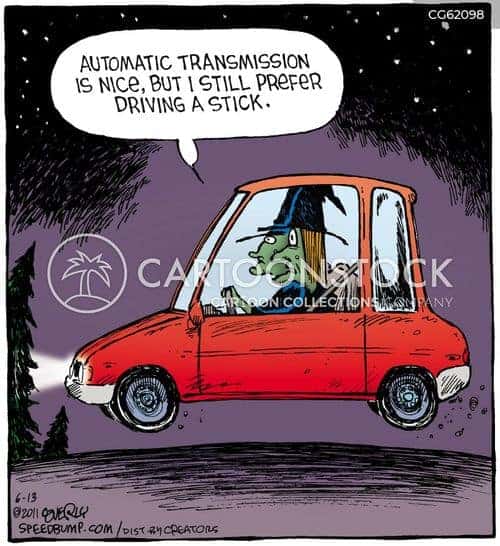
This decline has produced one of the automotive world’s favorite jokes:
“The manual transmission is the millennial anti-theft device.”
The humor reflects a simple reality—many people no longer know how to drive one.
A New Era: Electric Vehicles
Electric vehicles are changing the conversation entirely.
Unlike gasoline engines, electric motors deliver torque across a broad operating range. Most EVs do not need traditional multi-speed transmissions.
As a result, many electric vehicles:
- use a single-speed gearbox
- have no clutch
- require no shifting
In many ways, electric vehicles have moved beyond the century-old manual-versus-automatic debate.
Why It Still Matters at Mills Auto Group
The history of manual and automatic transmissions is ultimately a story about making transportation more practical, more enjoyable, and more accessible. Each innovation—from crash boxes to synchromesh systems, from Hydra-Matics to modern computer-controlled automatics—helped shape how generations of drivers experienced the road.
At Mills Auto Group, being Trusted for Generations means helping customers understand not only the vehicles they drive, but also the technologies that have shaped automotive history. Whether a customer prefers the involvement of a manual transmission or the convenience of an automatic, both represent important milestones in the evolution of the automobile.
While the debate between manuals and automatics may never completely disappear, both have earned their place in automotive history—and both helped millions of drivers discover the freedom of the open road.
Closing Scene…
“So automatics are like help?” she asks.
“They’re like teamwork,” he says.
She likes that answer…
To Be Continued…
Cope, Liam. “When Were Manual Cars Invented? A Look at the First – Engineer Fix.” Engineer Fix, 9 Jan. 2026, https://engineerfix.com/when-were-manual-cars-invented-a-look-at-the-first/#google_vignette. Accessed 17 July 2026.
Md Meraj. “When Was the First Automatic Car Made: Essential Facts.” Thedailyautomotive.Com, 24 Sept. 2025, https://thedailyautomotive.com/when-was-the-first-automatic-car-made-essential-facts/#google_vignette. Accessed 17 July 2026.










0 comment(s) so far on It’s Worth the Drive – S3E7: Two Pedals or Three?