


It’s Worth the Drive – S2E8: When You Look Upon Ajar
Episode 8 — When You Look Upon Ajar
The Story Continues…
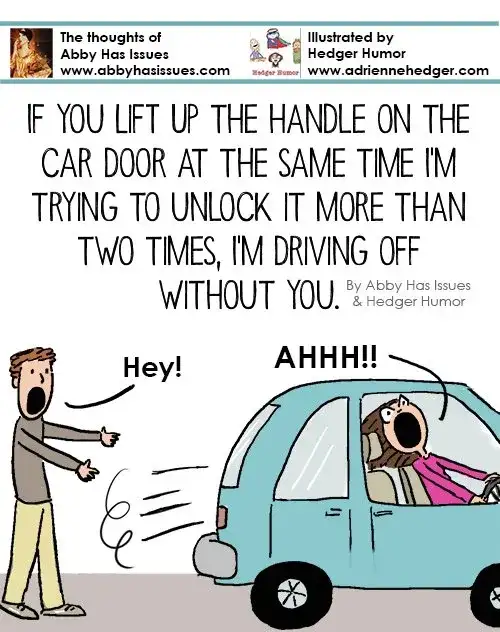
Bentley opens her door carefully at a stop.
“These are heavy,” she says.
Grandpa explains latches, safety beams, child locks—how doors had to learn how to protect, not just open…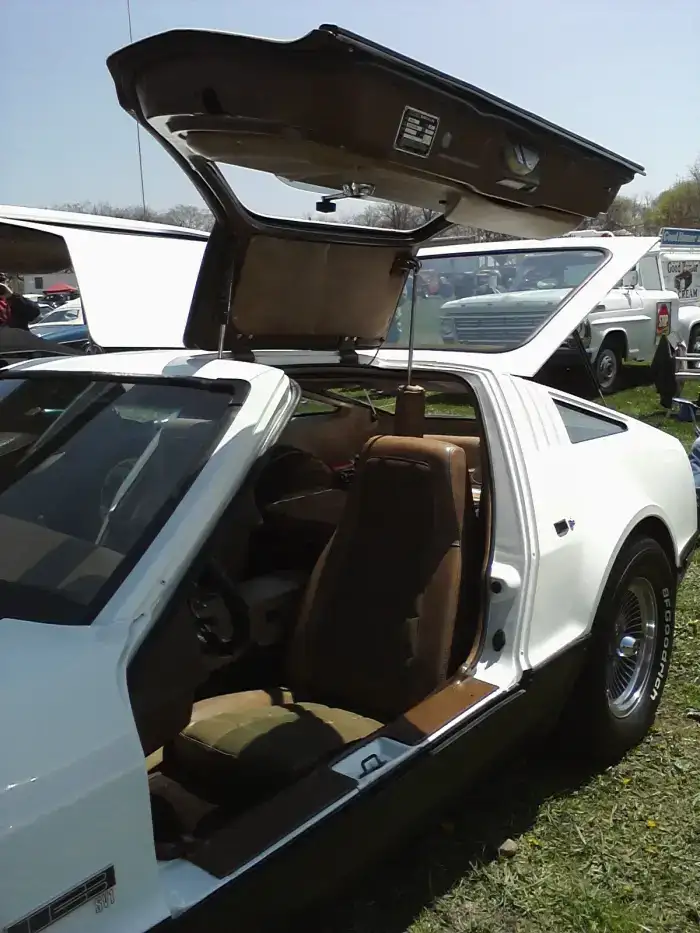
More Than an Entry Point
Doors are so familiar that they’re easy to overlook. Yet few automotive components reflect the balance between function, safety, engineering, and style as clearly as the car door. From early, doorless vehicles to today’s powered, sensor‑laden systems, doors have evolved alongside the automobile itself.
What began as a simple means of getting in and out of a vehicle has become a critical part of crash protection, structural integrity, comfort, and visual identity.
Before Cars Had Doors at All
Early automobiles were more concerned with motion than comfort. Vehicles built by Karl Benz in the 1890s and even some early Ford Model Ts were produced without doors. Passengers climbed in and out as they would a carriage, often wearing goggles to protect against dust and debris.
At the time, doors were an unnecessary weight and complexity. Speed was low, traffic sparse, and expectations minimal.
Doors began appearing regularly on production cars around 1923, once automobiles became enclosed, faster, and more widely used.
Borrowed From the Carriage
The first automotive doors were directly influenced by horse‑drawn carriage design. Early doors often opened rearward, hinged at the back, making entry easier when stepping up from the ground.
As vehicles became faster and heavier, forward‑hinged doors became the standard. This change improved safety by preventing doors from being forced open by airflow if a latch failed.
Rear‑hinged doors did not disappear entirely—but they would earn an unfortunate nickname.
When Hinges Became a Safety Issue
Rear‑hinged doors became known as “suicide doors” after studies showed that they could open unexpectedly and eject occupants. Though they appeared on vehicles such as the 1930s Ford Model B, Fiat 600, and later the Honda Element, their risks limited widespread use.
Some European manufacturers experimented with placing hinges on the center pillar to improve access, but safety concerns ultimately reinforced the dominance of front‑hinged doors.
How Many Doors—and Why It Matters
Door count has always shaped a vehicle’s identity.
- Two‑door cars became associated with sportiness and performance
- Four‑door sedans represented practicality and family use
This perception influenced value as much as function. In American muscle car culture, a four‑door version of a performance model often carries significantly lower market value.
Ironically, modern vehicles flipped this expectation. Four‑door pickups and SUVs, once rare, are now the norm, while two‑door configurations have become niche.
Sliding, Folding, and Disappearing Doors
Not all doors swing outward.
- Sliding doors, introduced by Kaiser Motors in the 1950s, improved access in tight spaces and became a staple of minivans
- Recessed or disappearing doors were common on delivery vehicles and mail trucks, allowing quick stops
- Doorless designs persisted in vehicles like Jeep CJs and dune buggies, where accessibility and simplicity outweighed enclosure
Each design answered a specific use case rather than aesthetic preference.
Microcars and Radical Access
Post‑war Europe saw experimentation driven by scarcity.
The BMW Isetta featured a single front‑hinged door that opened the entire nose of the car, steering wheel included. The Messerschmitt microcar used a fighter‑plane‑style bubble canopy.
These designs prioritized efficiency and novelty over convention—and proved that doors could redefine how a vehicle functioned.
Exotic Doors and Visual Drama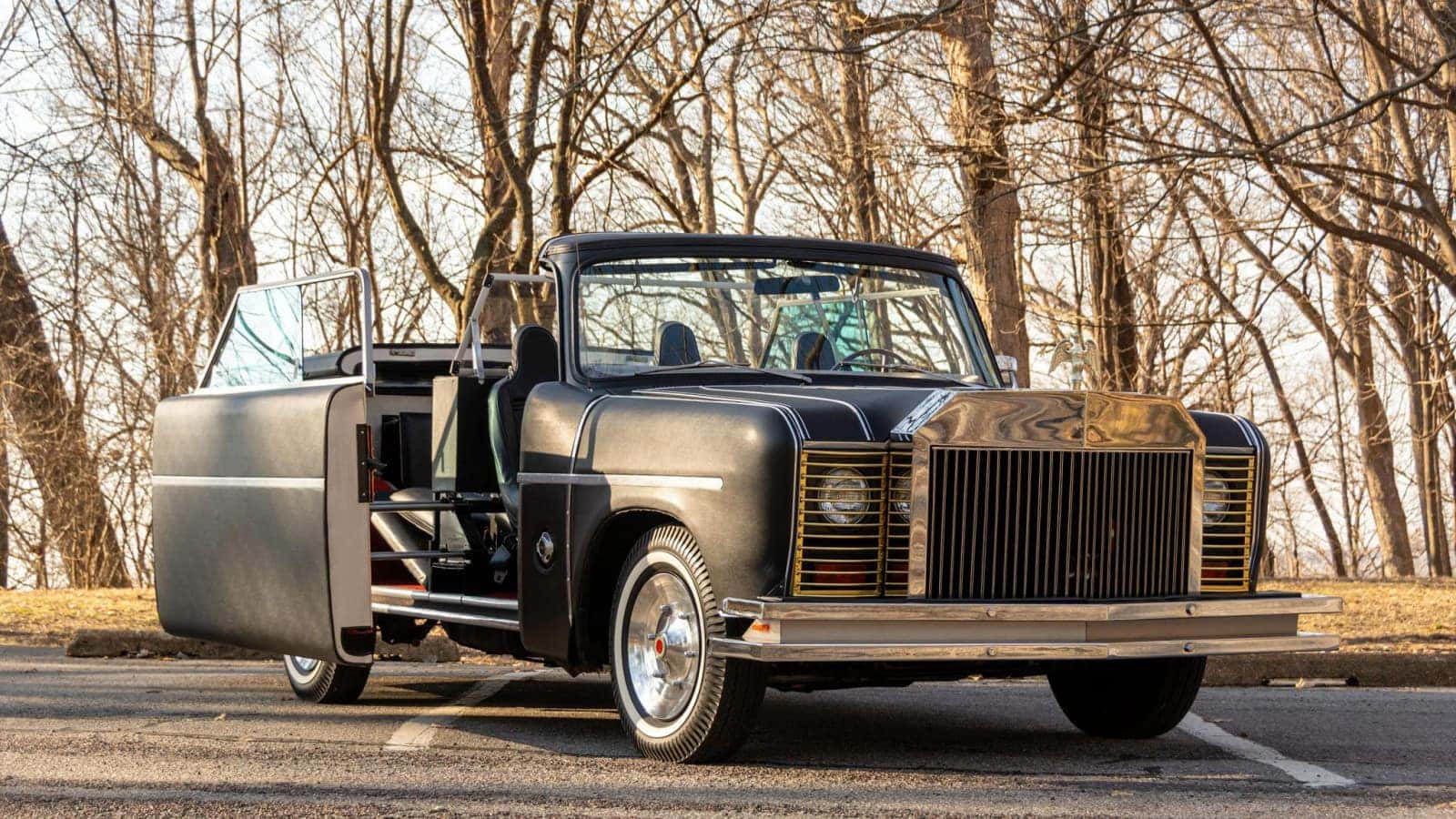
As performance cars grew more extreme, so did their doors.
- Gull‑wing doors, pioneered by Mercedes‑Benz in the 1950s, opened upward from the roof
- Butterfly and scissor doors, popularized by Lamborghini, emphasized drama and brand identity
- Canopy doors, inspired by aircraft, merged roof and sides into a single opening
While often impractical, these doors became powerful visual signatures. Few people remember how well they sealed—but everyone remembers how they looked.
Materials, Motors, and Modern Doors
Modern car doors are structural components.
They now incorporate:
- side‑impact beams
- crumple zones
- airbags
- lightweight aluminum or composite materials
Power‑operated doors and hands‑free sensors introduced convenience, especially in luxury vehicles. Advanced sealing and acoustic insulation transformed doors into barriers against noise, heat, and vibration.
What once swung on simple hinges now contains wiring, motors, speakers, and safety systems.
Smart Doors in a Connected World
Today’s doors communicate with the rest of the vehicle.
Features now include: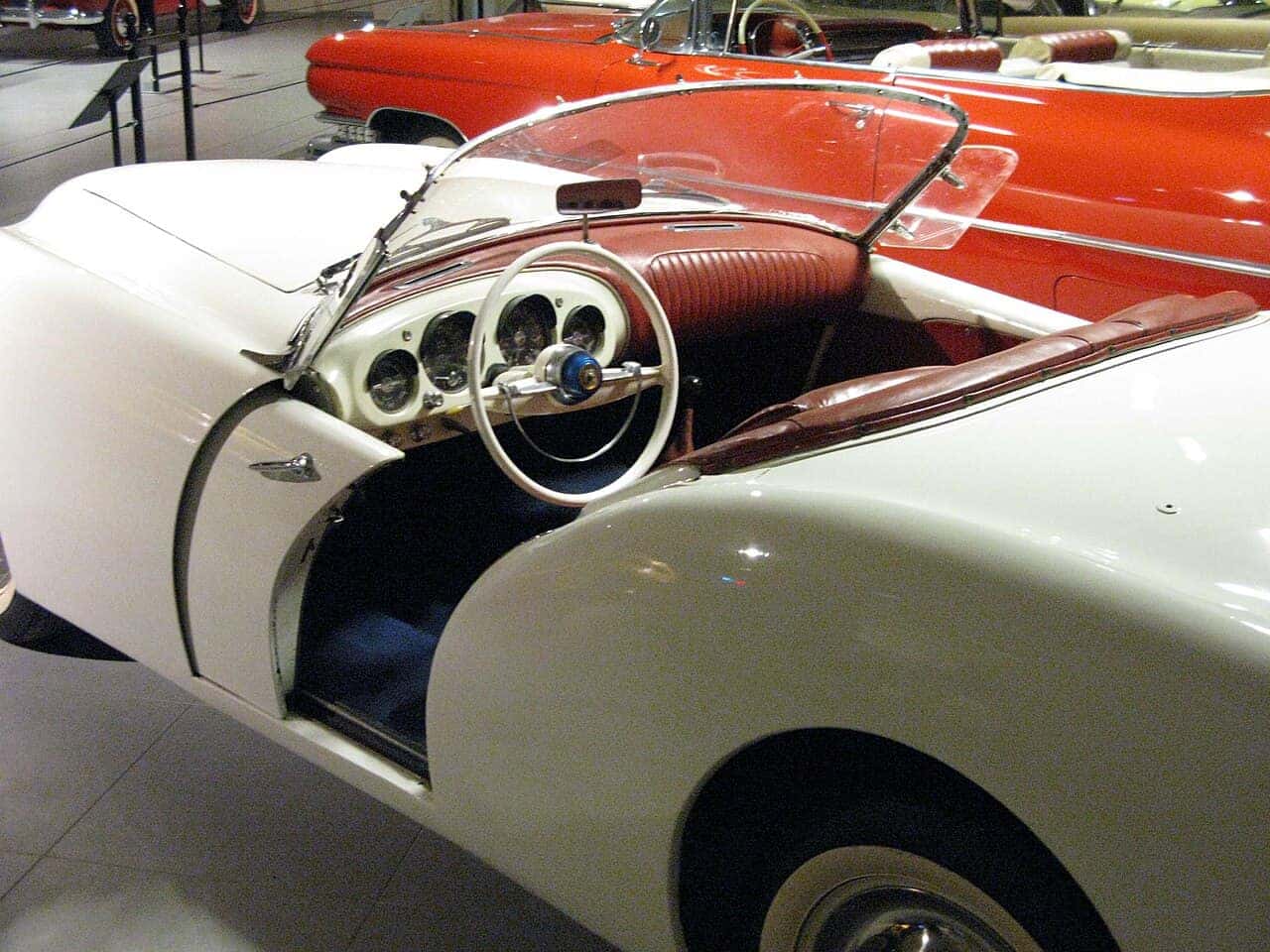
- keyless entry
- proximity sensors
- biometric access
- integrated lighting
- electronic child locks
Doors have become interfaces, not just panels.
Why It Still Matters at Mills Automotive Group
Car doors influence how people experience a vehicle from the very first moment. They affect safety, comfort, accessibility, and even how a vehicle feels to own and use over time.
At Mills Auto Group, understanding how doors evolved helps customers appreciate what they interact with every day—how a door closes, how it protects, and how it supports modern driving expectations. These details matter not as novelties, but as part of a vehicle’s overall integrity.
Being Trusted for Generations means recognizing that thoughtful design shows up in everyday interactions. Sometimes, that starts with something as simple—and as important—as opening the door.
Closing Scene…
…Bentley pulls the door shut firmly. “So even the door had to grow up.”
Grandpa nods. “Just like everything else.”
To be Continued…
BitAuto. “The Development of Car Door Design | BitAuto.” Bitauto.com, 2024, www.bitauto.com/wiki/10012185920/. Accessed 14 Apr. 2026.
Byer, Beverley. “The Invention and Evolution of the Automobile Door.” HubPages, 16 Mar. 2013, discover.hubpages.com/autos/When-Was-the-Automobile-Door-Invented-and-Other-Interesting-Door-Facts.
Croft, Tom. “The Evolution of Car Doors: Innovations Enhancing Style and Functionality – VehicleReport.” Vehiclereport.com, 2024, vehiclereport.com/blog/the-evolution-of-car-doors-innovations-enhancing-style-and-functionality. Accessed 14 Apr. 2026.
Meltzer, Eric. “Wheels: The Evolution of Car Doors.” The Conway Daily Sun, 24 Sept. 2019, www.conwaydailysun.com/business/local/wheels-the-evolution-of-car-doors/article_86c261d8-dee4-11e9-8ab3-a37dd5547142.html. Accessed 14 Apr. 2026.









0 comment(s) so far on It’s Worth the Drive – S2E8: When You Look Upon Ajar