


It’s Worth the Drive – S2E6: How Many Cupholders Does it Have?
Episode 6 — How Many Cupholders Does it Have?
The Story Continues…
Bentley taps the cupholder beside her. “Did cars always have these?”
Grandpa laughs and starts at the beginning—bench seats, one radio knob, gauges instead of screens. How cars slowly learned to feel like rooms instead of machines…
More Than a Place to Sit
For car enthusiasts at heart, a vehicle’s interior is never just a place to sit. It is where comfort, control, style, and identity come together. Over the past century, car interiors have evolved from crude enclosures meant to keep drivers inside the vehicle to sophisticated environments designed to reduce fatigue, enhance safety, and reflect personal taste.
This evolution has been driven by changes in materials, technology, consumer expectations, and a growing understanding of how people interact with machines.
When Function Was Enough
Early automobile interiors were purely utilitarian. Cars like the 1908 Ford Model T featured wooden dashboards, basic bench seats, and only the most essential controls. Protection from noise, heat, or cold was minimal. Ergonomics, as a concept, did not yet exist.
At the time, this was acceptable. Automobiles themselves were novelties, and any enclosed seating was an improvement over horse‑drawn carriages. Interiors were designed to be affordable and durable, not comfortable or attractive.
Comfort Enters the Cabin
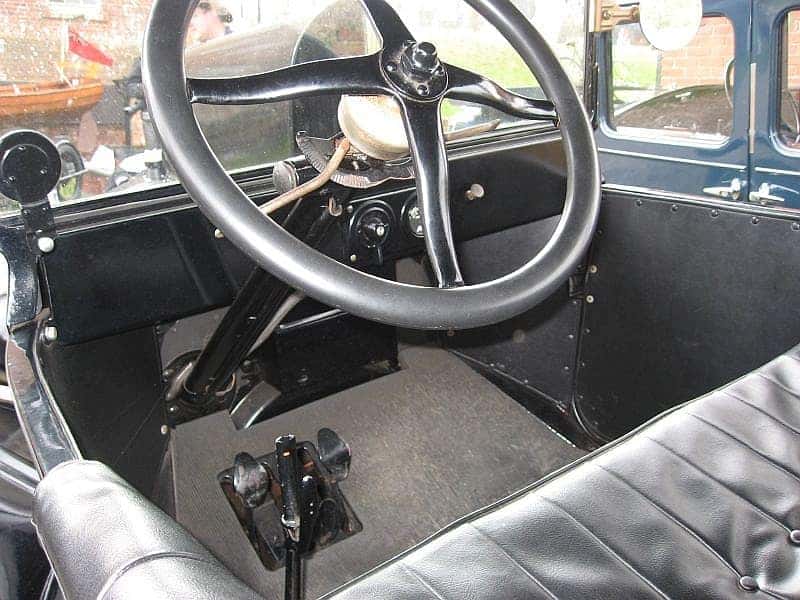
By the 1920s and 1930s, automobiles began to reflect social status as much as mobility. Interior design followed broader aesthetic trends, including Art Deco, with chrome accents, wood trim, and richer upholstery materials.
Seats evolved from flat benches into more contoured designs. Dashboards gained additional instruments such as clocks and oil pressure gauges. Radios, heaters, and windshield wipers began appearing—features that are now considered basic but were groundbreaking at the time.
Cars were becoming spaces people spent time in, not just tools for getting from place to place.
The Post‑War Interior Boom
The 1940s and 1950s marked a turning point. Economic prosperity after World War II created a consumer base that expected more comfort and convenience.
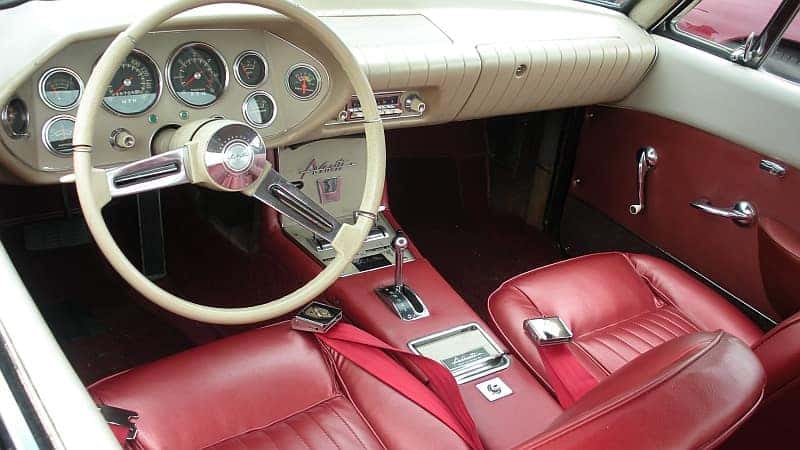
Interiors became larger, softer, and more feature‑rich. Foam‑padded seats, power steering, air conditioning, and electric windows became available. Dashboards grew more complex and colorful, filled with switches, dials, and lights.
This era established a pattern that still exists today: interior quality became a key way for manufacturers to distinguish themselves and build brand loyalty.
Safety Changes the Shape of Everything
In the 1960s through the 1980s, safety became a defining force in interior design. Regulatory changes and public awareness led to the widespread adoption of seat belts, airbags, padded dashboards, and improved control layouts.
Driver‑focused design became more deliberate. Controls were positioned within easy reach. Dashboards angled toward the driver. Steering wheels grew larger and bulkier to accommodate airbags, even if it temporarily sacrificed aesthetics.
Small details mattered more than ever. Leather or vinyl shift boots and parking brake covers replaced exposed metal components, giving interiors a finished, intentional appearance.
This period laid the groundwork for modern ergonomics.
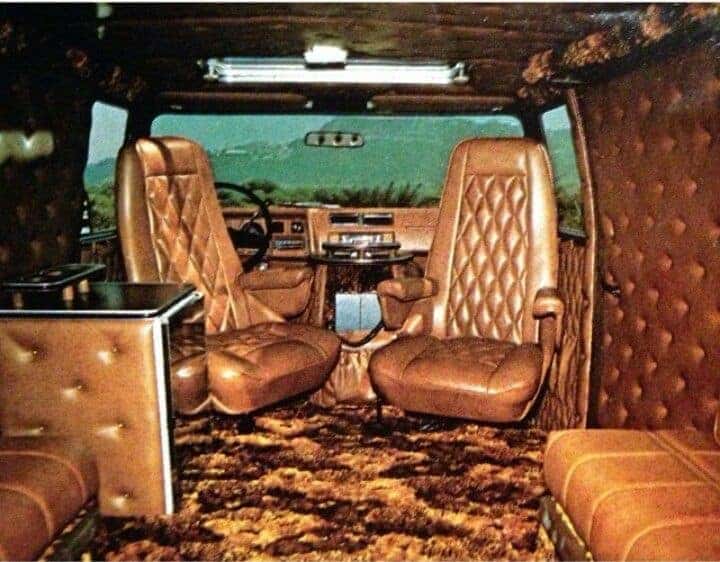
The Psychology of Comfort
Comfort is not just softness—it’s confidence.
Manufacturers began studying how interior layouts affect driver behavior and fatigue. Clear sightlines, intuitive control placement, and reduced visual clutter all contribute to a feeling of safety and control.
A well‑designed interior helps drivers focus, reduces stress on long trips, and creates emotional attachment. When an interior “feels right,” it is almost never accidental.
Digital Takes Over the Dashboard
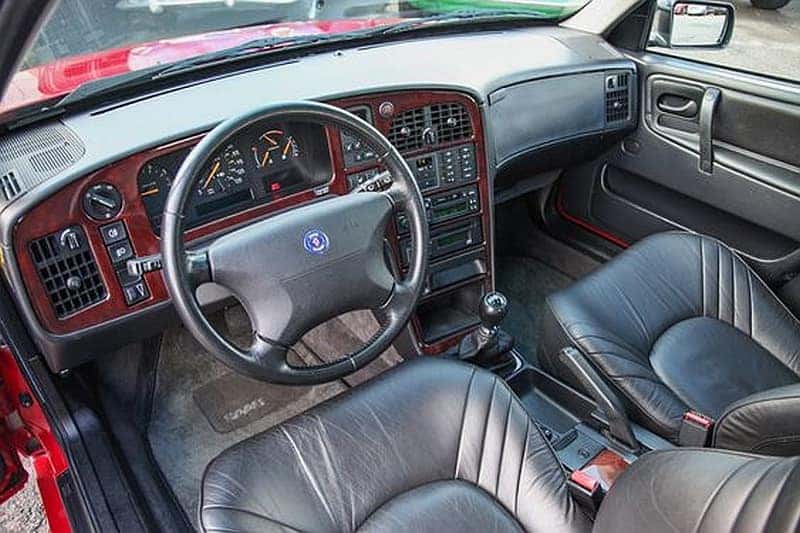
By the 1990s and early 2000s, technology transformed the cabin. Power seats, digital displays, CD players, and navigation systems became common. Analog gauges gave way to digital clusters. Touchscreens began replacing physical buttons.
Infotainment systems centralized audio, navigation, climate control, and communication. Smartphone integration followed, turning the interior into a connected command center.
At the same time, customization expanded. Buyers could choose interior colors, materials, trim finishes, and lighting schemes, allowing interiors to reflect individual taste more than ever before.
Sustainability and the Modern Interior
Today, three forces shape interior design:
- Technology integration
- Advanced ergonomics
- Sustainability
Manufacturers increasingly use recycled plastics, natural fibers, and vegan leather alternatives. Interior materials are designed not only for comfort and durability, but also for environmental responsibility.
At the same time, advanced driver‑assistance systems (ADAS) and digital interfaces require interiors to communicate information clearly without overwhelming the driver.
Looking Ahead: Interiors Without Drivers
As autonomous technology advances, interiors may change more dramatically than at any point in history. Driver‑centric layouts may give way to flexible seating, reconfigurable cabins, and entertainment‑focused environments.
Future interiors may monitor occupant health, automatically adjust lighting and air quality, and personalize settings through artificial intelligence.
Yet even as technology evolves, familiar materials—especially leather—continue to hold appeal for their tactile quality, durability, and connection to automotive tradition.
Why It Still Matters at Mills Automotive Group
Car interiors shape how people experience driving. Beyond engines and styling, it’s the interior that determines comfort, confidence, and connection to a vehicle. From materials and ergonomics to layout and technology, these details influence how a car feels every time it’s driven.
At Mills Auto Group, that perspective still matters. Helping customers understand and appreciate the space they spend the most time in—the cabin—remains central to the ownership experience. Fit, finish, and thoughtful design are not extras; they are part of what makes a vehicle enjoyable over time.
Being Trusted for Generations means recognizing that a car is more than transportation. It’s a place where everyday life happens, and where comfort, quality, and care continue to matter long after the drive begins.
Closing Scene…
…Bentley adjusts herself in the seat. “They made cars more comfortable because people were staying longer.”
Grandpa nods. “Exactly.”
To be Continued…

Jack. “Evolution of Car Interiors over the Whole Car History | RedlineGoods.” Redlinegoods.com, 2019, www.redlinegoods.com/blog-history-of-car-interiors-shifting-gears-through-the-ages.php?source=aw&sv1=affiliate&sv_campaign_id=2635254&sscid=90155_1776183789_2c8996260b05090a796bd8fbbfc84a94&awc=90155_1776183789_2c8996260b05090a796bd8fbbfc84a94. Accessed 14 Apr. 2026.
Lawson, Jake. “The Evolution of Car Interiors: Comfort, Design & Innovation 2026.” Autoalchemyblog.com, 2026, www.autoalchemyblog.com/blog/the-evolution-of-car-interiors-comfort-design-and-innovation. Accessed 14 Apr. 2026.
Smith, Olivia. “The Evolution of Car Interiors: From Functional Beginnings to High-Tech, Comfortable Spaces – DAX Street.” DAX Street, 6 Dec. 2024, daxstreet.com/cars/230373/the-evolution-of-car-interiors-from-functional-beginnings-to-high-tech-comfortable-spaces/. Accessed 14 Apr. 2026.
Van, Martin. “The History and Future of the Car Interior.” Stahl.com, Stahl Holdings B.V., 21 Feb. 2024, blog.stahl.com/the-history-and-future-of-the-car-interior.









0 comment(s) so far on It’s Worth the Drive – S2E6: How Many Cupholders Does it Have?