


It’s Worth the Drive – S2E4: Are We There Yet?
Episode 4 – Are We There Yet?
The Story Continues…
The trunk is fuller than usual.
Bentley notices. “Are we going far?”
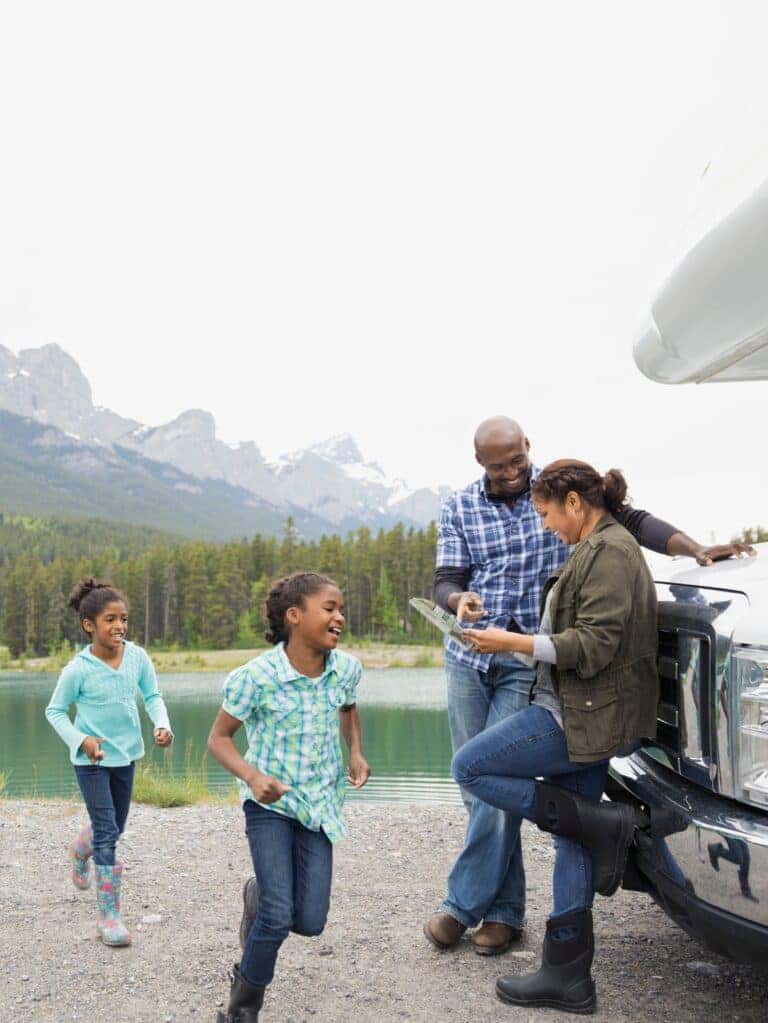
Grandpa tells her about gas stops, packed snacks, folding maps, and sometimes getting lost on purpose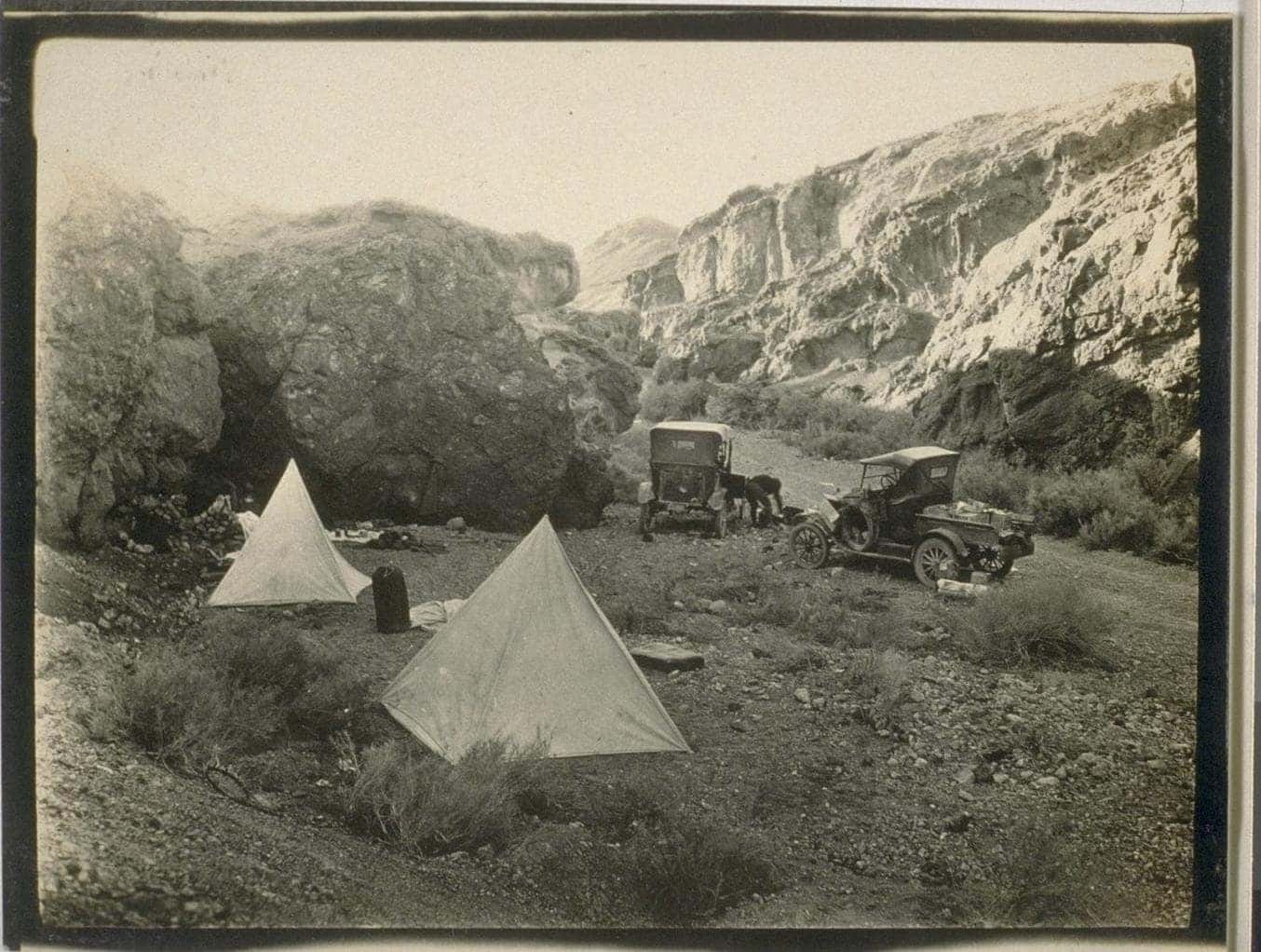 . He remembers when directions were guesses and discoveries…
Before the Road Trip Existed
Today, tens of millions of Americans take to the road each year, loading up vehicles and heading out on long journeys for leisure, exploration, and escape. The road trip feels timeless—but at the turn of the 20th century, the idea would have seemed almost impossible.
In 1900, travel beyond one’s immediate surroundings was slow, difficult, and highly structured. Roads were designed for horses and wagons, not machines. For long distances, Americans relied primarily on the railroad, the dominant form of transportation.
The automobile existed, but it was expensive, unreliable, and supported by almost no infrastructure. Travel by car wasn’t a vacation—it was an experiment.
The First Adventurers of the Automobile Age
Despite these challenges, a handful of early motorists were determined to test what these new machines could do. Between 1900 and 1910, a small number of adventurous drivers set out across rugged terrain, essentially rewriting the rules of travel.
In 1903, Colorado traveler Philip Delany described these early journeys as entering “the land of romance,” where drivers relived the experiences of American pioneers. Roads were little more than trails—filled with:
- deep ruts
- rocks and loose gravel
- steep, ungraded climbs
- unbridged streams
- mud and dust
Travelers were forced to be self‑sufficient. A long journey required carrying:
- tools and spare parts
- fuel and water
- camping gear
- navigation instruments
- food, medical supplies, and sometimes even firearms
A fully loaded early automobile often carried hundreds of pounds of gear, resembling a mobile camp more than a modern car.
Freedom from the City
Early road trips weren’t just about technology—they were about escape.
Urban life in the early 1900s was crowded, noisy, and often unsanitary. Streets were filled with:
- horse traffic and manure
- industrial smoke
- crowded sidewalks and trolleys
- open sewage and uncollected garbage
For those who could afford automobiles, the car offered something entirely new:
freedom from schedules, rail lines, and urban constraints.
Motorists could leave behind rigid timetables and explore at their own pace. They camped along roadsides, embraced independence, and created one of the defining themes of road travel: the journey as the destination.
Why Most Americans Couldn’t Yet Participate
Despite its promise, early motoring was out of reach for most people.
Around 1900:
- The average annual income was often under $500
- automobiles cost between $650 and $1,300
- There were a few repair shops, fueling stations, or parts suppliers
Even minor breakdowns could end a trip. Long‑distance travel demanded not just money, but skill, preparation, and resilience.
The Turning Point: The Model T
Everything changed in 1908 with the introduction of the Ford Model T.
Ford’s use of mass production dramatically reduced vehicle cost, eventually bringing the price down to around $260 by the mid‑1920s. For the first time, middle‑class Americans could afford a car.
This shift transformed the automobile from:
- a luxury item
into - a practical tool for everyday life and travel
With increasing ownership came increased demand for roads, services, and travel experiences.
The First Cross‑Country Journey
One event proved what automobiles could achieve.
In 1903, Dr. Horatio Nelson Jackson completed the first successful cross‑country automobile trip across the United States. Traveling from San Francisco to New York, the journey took 63 days and required constant repairs, improvisation, and determination.
There were:
- no continuous roads
- no fueling infrastructure
- no maps
Yet Jackson’s journey demonstrated something profound:
long‑distance automotive travel was possible.
From Trails to Highways
As more people began driving, infrastructure slowly followed.
Private and Commercial Growth
Entrepreneurs responded quickly:
- Gas stations appeared along travel routes
- roadside cafés and diners opened
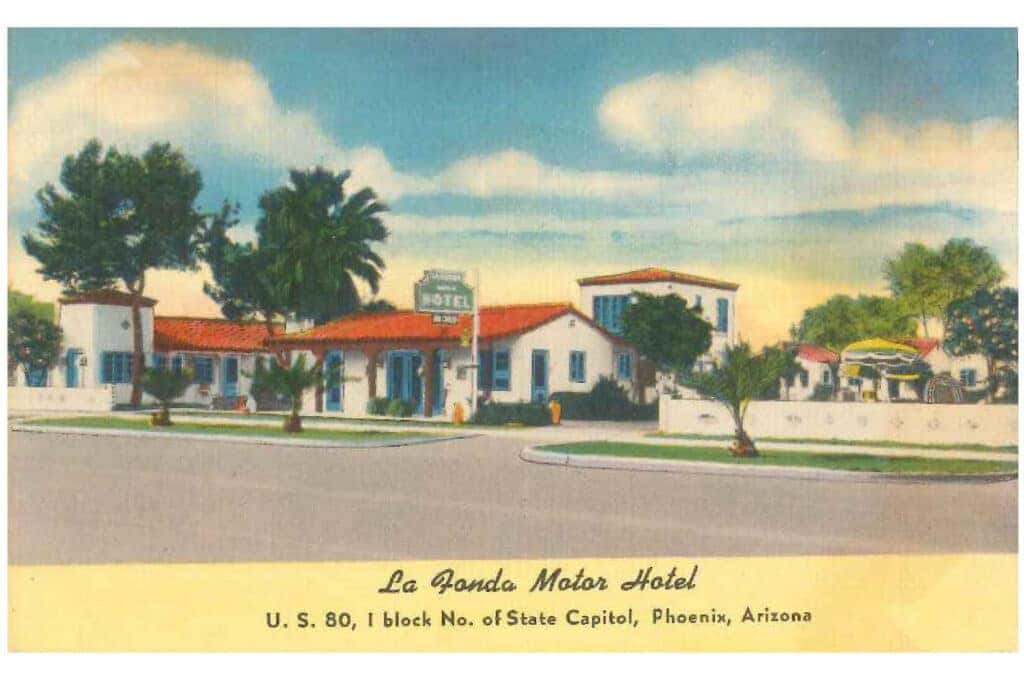
- hotels began catering to motorists
- guidebooks and maps became available
Companies like Gulf Oil even began distributing free branded road maps, helping standardize navigation.
Government Investment
Local, state, and federal governments began investing in road construction:
- improved grading and drainage
- gravel and paved surfaces
- bridges and marked routes
By the end of World War I, driving was still challenging—but far more feasible than just a decade earlier.
The Rise of Auto Camping
In the 1920s, road travel became a national pastime.
Middle‑class families began taking extended trips, often camping along the way. Known as “auto campers” or “Tin Can Tourists,” these early travelers:
- slept in tents or modified vehicles
- cooked their own meals
- created makeshift roadside camps
Cities even built municipal campgrounds to attract travelers and their spending.
This period marked the beginning of the road trip as leisure, not just exploration.
Routes, Highways, and Cultural Identity
As travel increased, organized road systems emerged.
- Lincoln Highway (1913): First transcontinental route
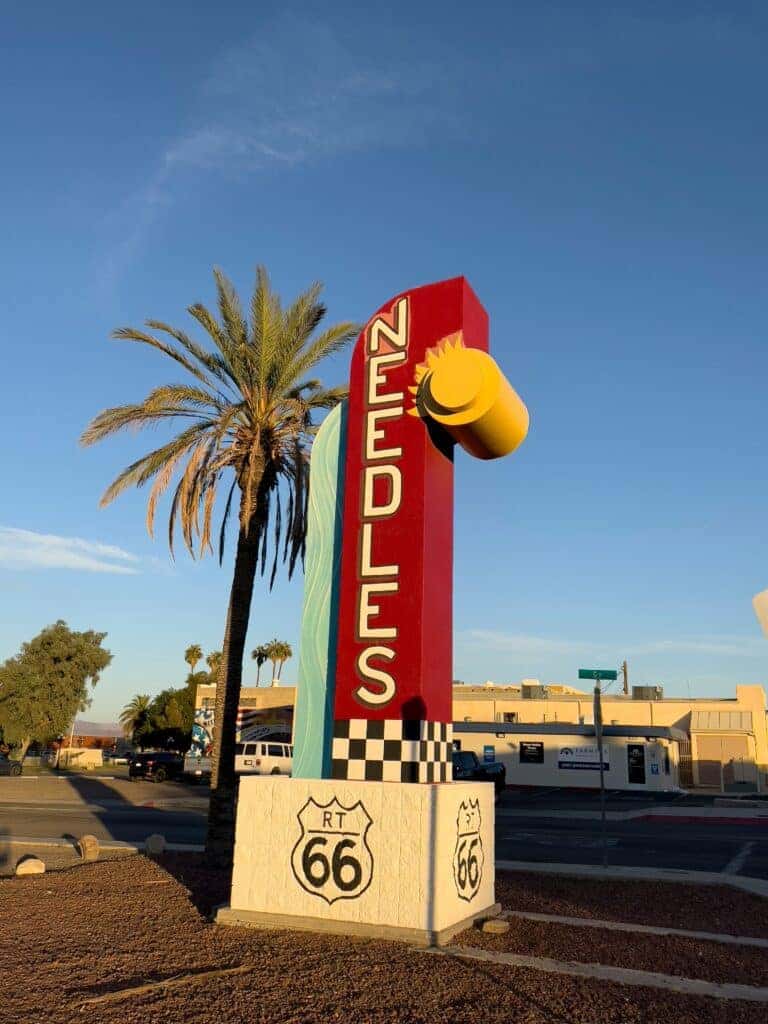
- Route 66 (1926): Connected Chicago to Los Angeles
- National Park Service (1916): Preserved destinations worth traveling to
Road travel increasingly became tied to American identity—freedom, exploration, and movement.
The Golden Age of the Road Trip
After World War II, road travel exploded.
Several factors aligned:
- rising incomes
- suburban expansion
- reliable vehicles
- paid vacation time
- improved highways
By the 1950s, the road trip was fully embedded in American culture. Families packed into cars and traveled across the country, stopping at:
- roadside attractions
- motels and diners
- national parks
The Interstate Era: Faster, But Different
In 1956, the Federal-Aid Highway Act created the modern interstate system.
This allowed:
- faster travel
- safer roads
- coast‑to‑coast driving in days instead of weeks
However, it also bypassed many small towns and reduced the slow, exploratory nature of early road travel.
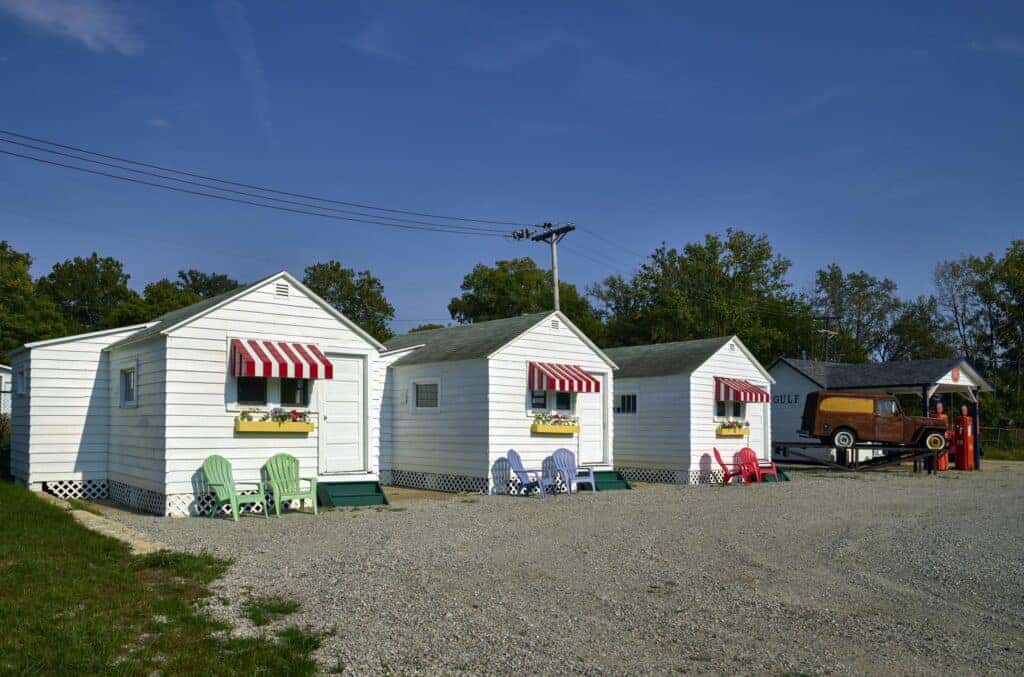
The experience shifted from discovery along the way to efficient movement between destinations.
The Modern Road Trip
Today, road trips combine the best of both worlds.
Modern travelers benefit from:
- reliable vehicles
- GPS navigation
- established infrastructure
- comfortable lodging options
At the same time, many still seek the spirit of early travelers—taking scenic routes, exploring historic roads, and rediscovering the joy of the journey.
The Joy of the Journey
Even as technology has changed how we travel—with GPS replacing paper maps and modern vehicles transforming comfort and reliability—the spirit of the road trip remains remarkably unchanged. Preparation still matters, destinations still inspire, and the small rituals of travel endure.
As one modern observer humorously noted, “It doesn’t matter how old you get, buying snacks for a road trip should always look like an unsupervised 9-year-old was given $100.”
In that sense, today’s travelers are not so different from the early motorists who packed their cars to the brim—only the contents have changed.
Why It Still Matters at Mills Auto Group
The road trip is more than a tradition—it is a reflection of how the automobile reshaped American life.
At Mills Auto Group, being Trusted for Generations means understanding not just the vehicles people drive, but how they use them. From early pioneers navigating wagon trails to families traveling modern highways, the automobile has remained central to freedom, exploration, and connection.
Every vehicle represents the same enduring idea:
the ability to go where you want, when you want.
What began as a daring experiment has become one of the defining experiences of American culture—and it continues with every trip taken today.
Closing Scene…
…they’ve been driving a while now.
Bentley rests her head against the window. “I think long drives make you notice things more.”
Grandpa smiles. “That’s why people remember them.”
To be Continued…
 Blodgett, Peter J. “How Americans Fell in Love with Taking Road Trips.” Time, 15 Aug. 2015, time.com/3998949/road-trip-history/.
H, Joshua. “Exploring American Road Trip History: Iconic Routes & Stops.” Rjourney.com, 4 Feb. 2026, rjourney.com/blog/american-road-trip-history-americas-great-rv-highways/.
Maclean, Andrew. “Road Trips Became an American Tradition – Groovy Content.” Groovycontent.com, 2025, www.groovycontent.com/cars/road-trips-became-an-american-tradition/. Accessed 10 June 2026.









0 comment(s) so far on It’s Worth the Drive – S2E4: Are We There Yet?