


It’s Worth the Drive – S1E5: Through the Looking Smart Glass
Episode 5 — Through the Looking Smart Glass
The Story Continues…
The car is parked now, engine ticking softly as it cools.
The old man stays seated, looking forward through the glass. Reflections layer over one another — the street outside, the dash inside, his own face faintly staring back.
The windshield holds it all, without comment…
Before the Glass Stood Between Man and Machine
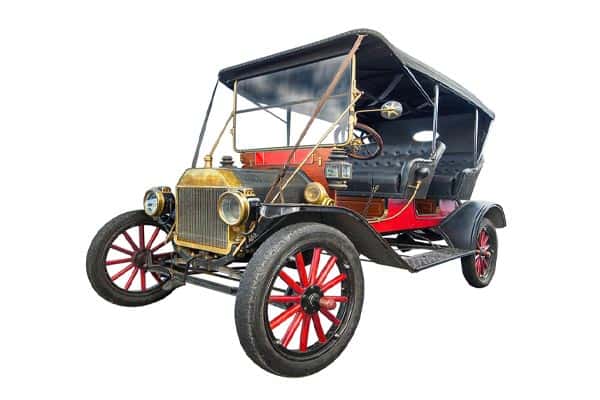
In the earliest days of the automobile, during the late 1800s and early 1900s, there was nothing separating drivers from the road ahead. Cars were open‑air machines, and motoring meant exposure. Dust, wind, insects, and debris were simply part of the experience. Goggles, scarves, and heavy coats provided the only protection.
As vehicles became more common and speeds increased, manufacturers introduced the first windshields in the 1910s. These early versions were simple flat panes of household glass. They blocked the elements well enough—but they were dangerously fragile. A small stone or collision could shatter the glass into sharp shards, turning protection into hazard.
The need for improvement was clear. Protection required more than transparency.
A Happy Accident Changes Everything
The breakthrough in windshield safety came not from the automotive world, but from a fortunate laboratory accident.
In 1903, French chemist Édouard Bénédictus dropped a glass flask coated internally with cellulose nitrate. The glass cracked—but it did not shatter. Instead, the coating held the fragments together. This observation led to the concept of laminated safety glass.
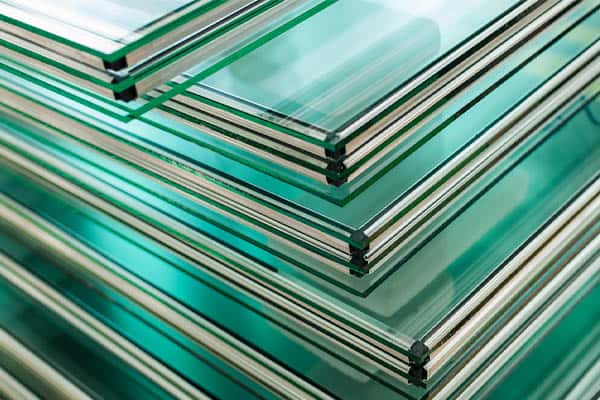
By the late 1920s, laminated glass had found its way into automobiles, notably through Ford Motor Company. These windshields used two layers of glass bonded by a thin plastic interlayer, typically polyvinyl butyral (PVB). Upon impact, the plastic held broken glass in place, dramatically reducing injury. For the first time, the windshield became a true safety feature.
Curves, Confidence, and Mid‑Century Momentum
As automobile design flourished in the 1950s, windshields evolved along with it. Flat panes gave way to curved glass, improving aerodynamics, aesthetics, and visibility. Drivers gained wider fields of view. Vehicles looked sleeker. Glass became a defining design element.
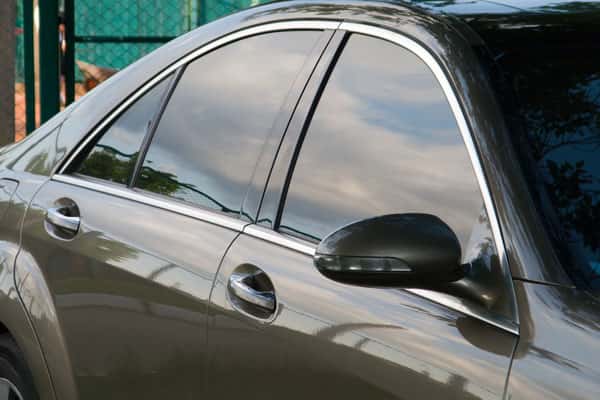
During this time, tempered glass—heat‑treated for strength—became common for side and rear windows. When broken, it shattered into small, less harmful pieces. Front windshields, however, continued to rely on laminated glass, which remained better at staying intact during collisions.
The windshield was no longer just about weather protection. It had become a carefully engineered component.
When the Windshield Became Part of the Car
By the 1980s and 1990s, vehicle engineering transformed the role of the windshield entirely. Designers realized the windshield could do more than provide visibility—it could contribute to the vehicle’s structural integrity.
Properly bonded windshields became critical during rollover accidents, helping support the roof and prevent collapse. Traditional rubber gaskets were replaced by high‑strength urethane adhesives, permanently bonding glass to the vehicle frame.
This change improved crash safety, reduced wind noise, eliminated leaks, and created a quieter, more refined driving experience. The windshield was no longer passive—it was structural.
When Glass Learned to Think
In the early 2000s, the windshield entered the digital age. Advanced Driver Assistance Systems (ADAS) relied on cameras, sensors, and radar often mounted directly to the glass. Lane departure warnings, automatic emergency braking, rain sensors, and adaptive cruise control all depended on precise windshield placement.
Replacing a windshield was no longer just about swapping glass. Calibrations became essential. A misaligned camera could compromise safety systems, making professional installation and recalibration non‑negotiable.
The windshield had
evolved from a pane into a platform.
A Screen You Can See Through
The 2020s have transformed the windshield into an interface. Augmented reality head‑up displays now project navigation prompts, speed, and hazard warnings directly onto the glass, allowing drivers to keep their eyes on the road.
Luxury and electric vehicles push the concept further. Panoramic, pillar‑to‑pillar glass enhances visibility and creates open interiors. Smart glass adjusts tint dynamically. Some designs even explore solar integration.
The windshield is no longer something drivers look through. It’s something they interact with.
What Comes After Glass
Looking ahead, automotive glass continues to evolve. Researchers are developing self‑healing materials capable of repairing minor cracks. Solar‑embedded windshields could help power vehicle systems. Artificial intelligence may soon allow windshields to analyze road conditions and provide real‑time safety feedback.
 What began as a fragile flat pane has become one of the most complex and essential components in modern vehicles—a fusion of safety, structure, visibility, and intelligence.
And like many automotive innovations, its best work often goes unnoticed.
Why It Still Matters at Mills Automotive Group
The evolution of the windshield tells a larger story about progress and responsibility. What began as a simple barrier against wind and debris has become a structural safety component, a platform for advanced driver‑assistance systems, and an interface that helps drivers stay informed without losing focus on the road.
These changes matter because the windshield now plays a critical role in how a vehicle protects its occupants. From supporting the roof in a rollover to ensuring cameras and sensors function correctly, modern windshields are essential to vehicle safety—not optional accessories. Proper installation, calibration, and care are as important as the technology itself.
At Mills Automotive Group, understanding that evolution is part of serving our community. That means recognizing when a component is more than it appears, and ensuring every vehicle meets the standards drivers rely on every day.
Being Trusted for Generations is about more than longevity—it’s about respecting the responsibility that comes with progress and making sure today’s advancements continue to protect tomorrow’s drivers.
Closing Scene…
…he finally opens the door and steps out.
The windshield reflects nothing now but an empty garage and a closing door.
Perspective changes depending on where you stand — and how long you pause.
To be continued…
 Glass.NET. “The History of the Windshield: From Flat Glass to Smart Displays – Glass.NET Blog.” Glass.NET Blog -, 28 Oct. 2025, blog.glass.net/windshield-repair-tips/history-of-the-windshield-from-flat-glass-to-smart-displays/. Accessed 7 Apr. 2026.
[email protected]. “Fascinating History of Windshields – Liberty AutoGlass.” Liberty AutoGlass, 26 Feb. 2016, libertyautoglass.us/windshields/the-history-of-windshields/. Accessed 7 Apr. 2026.
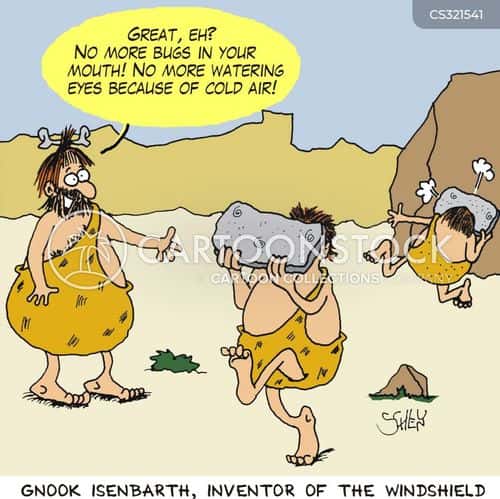
Wildt, Chris. ““Now I Remember…I Need New Windshield Wiper Blades!”” CartoonStock, 2026, www.cartoonstock.com/directory/w/windshield.asp. Accessed 7 Apr. 2026.









0 comment(s) so far on It’s Worth the Drive – S1E5: Through the Looking Smart Glass