


It’s Worth the Drive – S1E4: When Cars Learned to See
Episode 4 – When Cars Learned to See
The Story Continues…
Rain begins without warning.
At first, it’s light — just enough to blur streetlights into streaks. Then heavier. The windshield clouds quickly.
Without thinking, the old man reaches for the switch.
Back and forth.
Back and forth.
The world sharpens again…
A World Without Windshield Wipers
It’s hard to imagine driving without windshield wipers today. They’re expected. Automatic. Almost invisible.
But early drivers didn’t have that luxury.
Rain and snow once turned driving into guesswork. Drivers leaned out open windows, wiped glass with frozen hands, or stopped altogether just to see where they were headed. Visibility came and went. Progress slowed. Safety depended more on weather than skill.
Storms didn’t just make driving uncomfortable.
Sometimes, they made it impossible.
Mary Anderson Sees the Problem
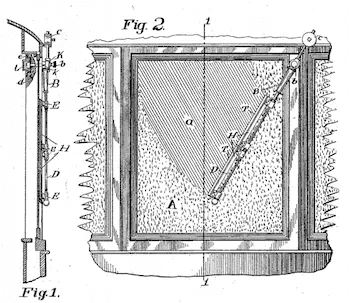
In 1903, Mary Anderson witnessed this frustration firsthand.
While riding a New York City streetcar during a winter storm, she watched the operator repeatedly open his window and lean into the cold to clear snow and sleet from the windshield. Nearby drivers pulled over, stepping into freezing air to wipe their glass by hand.
Anderson, visiting from Alabama, was stunned.
There had to be a better way.
When she returned home, she sketched a simple solution: a blade mounted outside the windshield, controlled by a lever inside the vehicle. With one motion, a driver could clear rain and snow without stopping or exposing themselves to the storm.
Later that year, she patented her “Window Cleaning Device.”
In 1917, inventor Charlotte Bridgwood improved on Anderson’s idea with an electric windshield wiper, removing the need for manual operation. Her invention didn’t take off immediately, but it pushed the technology forward.
The idea worked.
The timing didn’t.
Ahead of Its Time
Cars were still rare, and manufacturers didn’t see the need. Some worried the movement would distract drivers. Others simply couldn’t imagine how essential the idea would become.
Mary Anderson received rejection letters and eventually stopped pursuing the invention. Her patent expired just as automobiles became a part of daily life.
The problem she solved, however, wasn’t going anywhere.
From Manual to Automatic
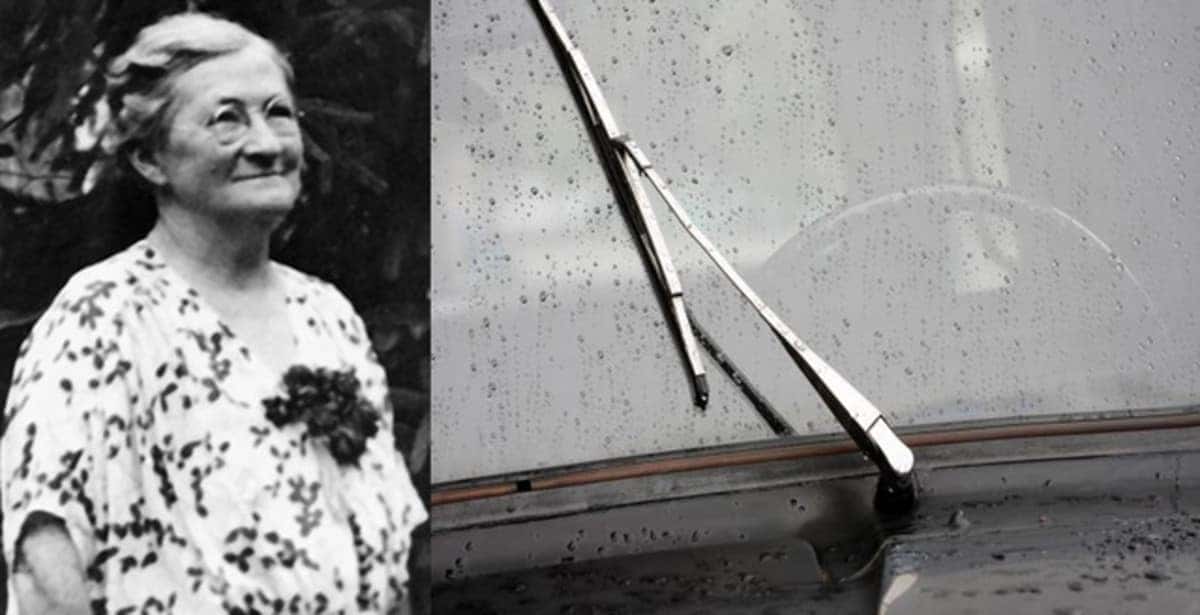
By the early 1920s, windshield wipers became standard equipment. Driving through bad weather was finally changing.
Seeing Clearly, One Pass at a Time
Early automatic windshield wipers gave drivers only two choices: on or off. They swept constantly, regardless of whether the rain was light or heavy.
For Robert Kearns, that constant motion mattered.
After an eye injury, nonstop wiper movement irritated his damaged eye. Watching how eyelids worked, he realized clarity didn’t come from constant motion—it came from timing.
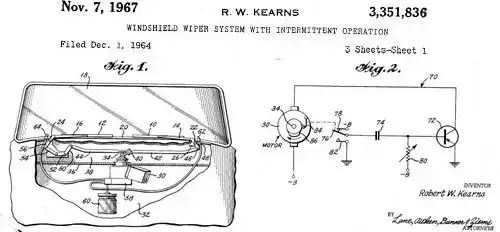
In the 1960s, Kearns developed and patented intermittent windshield wipers. Wipe. Pause. Wipe again. He shared the idea with automakers, but years later discovered similar systems in production without his involvement.
What followed were long legal battles. Kearns eventually won settlements, though at great personal cost. Still, his idea endured.
Intermittent wipers became the standard because they worked.
Modern systems continue that same approach—frameless blades for better contact, sensors that adjust automatically, materials that last longer and perform quietly. The technology evolves, but the idea stays simple.
Clear the view. Match the moment.
Move forward.
One pass at a time.
Why It Still Matters at Mills Automotive Group
Trusted for Generations
Windshield wipers don’t stop storms.
They don’t change the road.
They don’t ask for attention.
They simply help drivers see.
At Mills Automotive Group, being Trusted for Generations means valuing the systems that protect people every day—the accurate, reliable details that work quietly in the background. Windshield wipers are a perfect example of how safety often shows up not with fanfare, but with consistency.
Clear vision builds confidence.
Confidence builds trust.
And trust is earned, one drive at a time.
Closing Scene…
…the storm passes as suddenly as it arrived.
He clicks the wipers off. Silence returns. The glass stays clear.
The rain didn’t stop because of him — but he kept moving anyway.
Sometimes that’s all progress really is.
To be continued…
Cabral, Lauren. “The History of Windshield Wipers.” Back Then History, 23 Jan. 2021, www.backthenhistory.com/articles/the-history-of-windshield-wipers.
history tools. “The Enduring Legacy of Robert Kearns: Inventor of the Intermittent Windshield Wiper – History Tools.” History Tools, 26 May 2024, www.historytools.org/stories/the-enduring-legacy-of-robert-kearns-inventor-of-the-intermittent-windshield-wiper. Accessed 3 Apr. 2026.
marketingoximo. “The Future of Car Windshield Wipers: Innovation and Eco-Solutions – OXIMO®.” OXIMO®, 2 Dec. 2023, www.oximo.pl/en/the-future-of-car-windshield-wipers-innovation-and-eco-solutions/.
National Inventors Hall of Fame. “Mary Anderson: The Unheralded Inventor of the Windshield Wiper | National Inventors Hall of Fame®.” Www.invent.org, 2 Nov. 2020, www.invent.org/blog/inventors/mary-anderson-windshield-wipers.
Whitten Brothers. “Influential Women in Automotive: Charlotte Bridgwood | Whitten Brothers | Women’s History Month | Richmond, va | Ashland, VA.” Whitten Brothers, 2025, www.whittenbrothers.com/influential-women-in-automotive-charlotte-bridgwood/. Accessed 3 Apr. 2026.
BOA. “Rainy Day.” CartoonStock, 2026, www.cartoonstock.com/directory/r/rainy_day.asp. Accessed 7 Apr. 2026.









0 comment(s) so far on It’s Worth the Drive – S1E4: When Cars Learned to See