


It’s Worth the Drive – S1E3: A Shine to Go the Distance
Episode 3 – A Shine to Go the Distance
The Story Continues…
The light fades quicker than he expects.
One moment the road looks familiar, the next it feels washed in gray. The old man reaches for the switch, and the dash glows softly in response.
Headlights stretch forward into the dark.
Taillights glow red behind him.
Now he can see — and be seen…
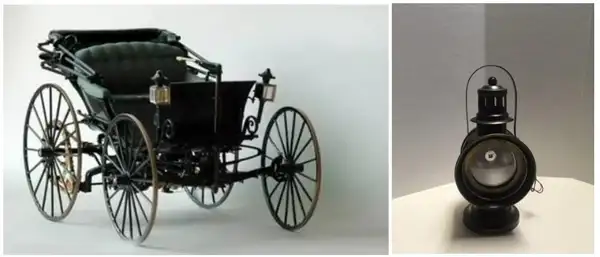
When Fire Was Enough
At the dawn of transportation, horse‑drawn carriages relied on candles and oil lamps to light their way. These early lamps did little to illuminate the road and were primarily intended to make the carriage visible to others. At walking speeds, limited visibility posed little risk.
Taillights were rare or nonexistent during this era, as traffic density was low and stopping distances were minimal. Lighting was about identification, not navigation.
That changed the moment vehicles began moving faster than a horse could trot.
Brighter Flames for Faster Roads
As motor vehicles appeared at the turn of the 20th century, open‑flame solutions were quickly pushed to their limits. Acetylene gas lamps offered a brighter, whiter light and improved resistance to wind, rain, and snow. Reflectors helped focus the beam farther down the road, giving drivers precious extra seconds to react.
Despite their advances, acetylene lamps required regular maintenance and posed safety risks. Rear lighting remained basic, often limited to a small marker lamp meant only to signal presence, not intent.
Night driving was possible—but far from refined.
Electricity Changes the Conversation
Electric lighting marked a turning point. Early attempts appeared in the late 1890s, but fragile filaments and unreliable power delayed widespread adoption. That changed in 1912, when Cadillac introduced the first complete electric system, including headlights, ignition, and an electric starter.
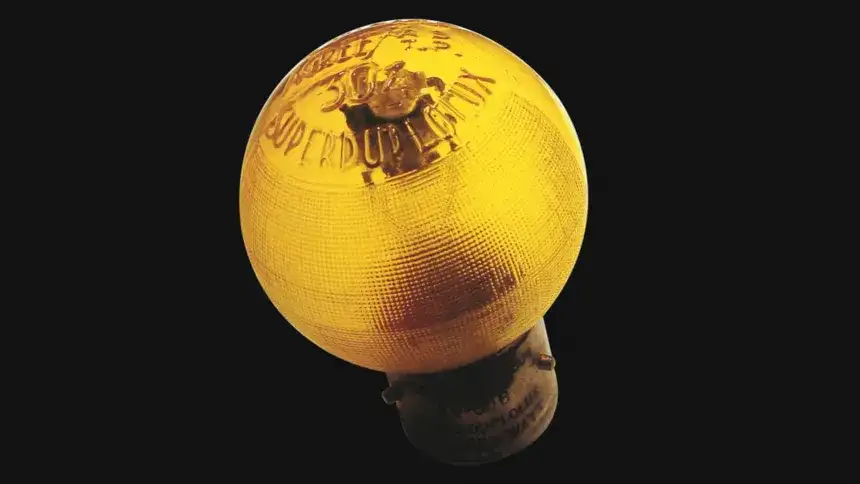
Electric headlights worked consistently in poor weather and eliminated dangerous hand cranking. Soon after, electric taillights and brake lights followed.
For the first time, drivers behind could clearly see not just where a vehicle was—but when it was slowing.
Lighting had evolved into a communication system.
Learning to Soften the Light
As headlights grew brighter, glare became a new hazard. Engineers responded by developing adjustable beams and, eventually, distinct high‑ and low‑beam systems. Early solutions required drivers to leave the vehicle to make adjustments, but interior controls soon followed.
During the 1920s and 1930s, foot‑operated dimmer switches allowed drivers to adapt instantly to oncoming traffic. Projector‑style headlights and shaped lenses helped control beam patterns and reduce flash blindness.
At the rear, taillights increased in size and brightness, improving depth perception and reaction time in low‑light conditions.
Built to Last: The Sealed‑Beam Era
In 1939, the sealed‑beam headlight combined the bulb, reflector, and lens into a single durable unit. Mandated in the U.S. beginning in 1940, sealed beams improved reliability and consistency nationwide, though they limited vehicle design for decades.
Taillights benefited as well, becoming more standardized and integrated into vehicle bodies. Brake lights grew brighter and more uniform, reinforcing their role as critical warning devices.
Lighting was no longer optional—it was regulated safety equipment.
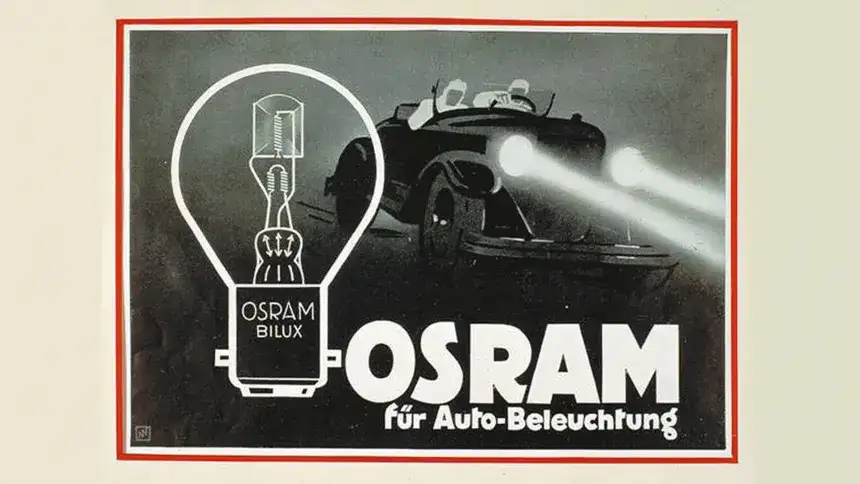
Brighter, Longer, Smarter
The second half of the 20th century brought halogen bulbs, which delivered brighter light and longer lifespan through improved filament chemistry. While Europe adopted replaceable halogen bulbs in the 1960s, U.S. regulations delayed widespread use until the 1980s.
Plastic lenses replaced glass, improving durability and reducing repair costs. Taillights gained improved reflectors and clearer color separation, enhancing visibility even in foul weather.
Lighting maintenance became simpler, and trust in the system grew.
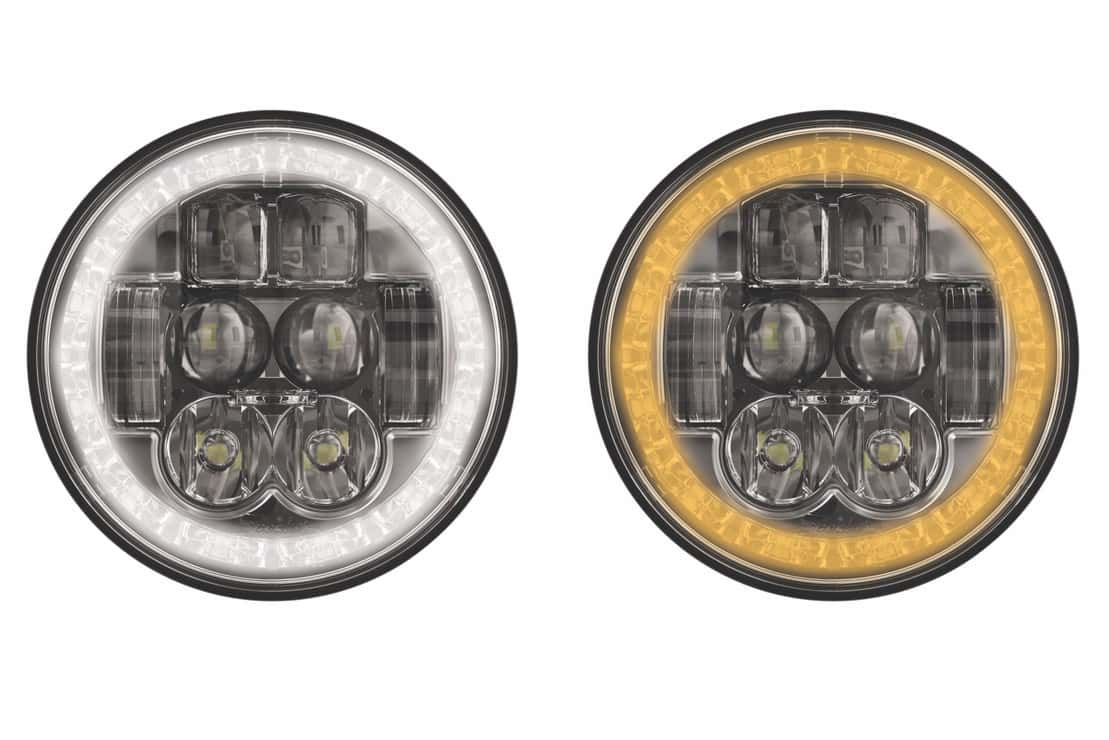
Speaking in LEDs and Lasers
The modern era introduced high‑intensity discharge (HID) headlights, followed by light‑emitting diodes (LEDs). LEDs offered instant illumination—a major advantage for brake lights—along with long life and energy efficiency. Daytime running lights improved visibility even in daylight.
Today, adaptive and intelligent lighting systems adjust beam direction based on speed, steering input, and road conditions. Headlights anticipate curves. Taillights deliver faster signals to drivers behind. Lighting no longer reacts—it predicts.
Why It Still Matters at Mills Automotive Group
The evolution of automotive lighting reflects a broader responsibility shared by drivers, manufacturers, and those who serve them. From open flames on carriages to intelligent lighting systems that adapt to road conditions, every advancement has focused on helping drivers see more clearly and respond more safely.
That responsibility remains just as relevant today.
Founded in 1922, Mills Automotive Group began at a time when driving at night required caution and preparation, not convenience. As lighting technology progressed—from sealed beams to halogen, HID, and modern LED systems—Mills advanced alongside it, recognizing that improvements only matter when they genuinely enhance safety.
Today’s lighting systems do more than illuminate the road ahead; they communicate presence, anticipate movement, and help protect everyone sharing the roadway. Ensuring those systems function properly is part of a larger commitment to driver safety and community care.
At Mills Automotive Group, being Trusted for Generations means understanding why these technologies exist, standing behind their importance, and continuing to put safety at the forefront—just as it has been from the beginning.
Closing Scene…
…night settles in fully.
The road ahead is clear, lit just enough to move forward with confidence. Behind him, a steady red glow lets others know where he’s been.
Not every safety system works in front of you.
Some exist so no one ever forgets you’re there.
To be continued…
America’s Transportation Experience/AACA Museum, INC. “The AACA Museum, Inc.” AACA Museum, 12 Apr. 2024, atexpa.org/exhibit/headlights/.
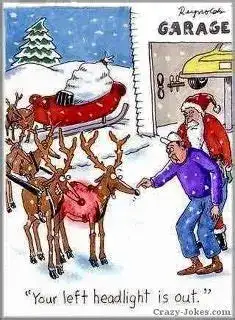
Gonzo. “Twas the Night before Christmas – an Apprentice Mechanic and Santa.” AutoShopOwner, 24 Dec. 2017, www.autoshopowner.com/articles/gonzos-tool-box/twas-the-night-before-christmas-an-apprentice-mechanic-and-santa-r399/. Accessed 7 Apr. 2026.
Popa, Bogdan. “History of Automotive Headlamps: From Acetylene to LEDs.” Autoevolution, 25 Feb. 2009, www.autoevolution.com/news/history-of-automotive-headlamps-from-acetylene-to-leds-4485.html.
The Retrofit Source. “Automotive Lighting History: Innovations from the Late 1800s.” The Retrofit Source Blog, 19 Mar. 2025, blog.theretrofitsource.com/automotive-lighting-history/. Accessed 7 Apr. 2026.
LinNAOEVO. “From Oil Lamp to Laser: A Brief History of Automotive Headlights.” NAOEVO, 12 Mar. 2022, www.naoevolighting.com/blogs/news/from-oil-lamp-to-laser-a-brief-history-of-automotive-headlights. Accessed 7 Apr. 2026.









0 comment(s) so far on It’s Worth the Drive – S1E3: A Shine to Go the Distance