


It’s Worth the Drive – S1E10: The Little Seat with a Big History
Episode 10 — The Little Seat with a Big History
The Story Continues…
The back door opens.
A child safety seat clicks into place, straps adjusted carefully. Small shoes kick once, impatient, excited.
The old man checks everything twice — slower now, more deliberate.
This drive is different…
When Riding Along Looked Different
In the early years of widespread automobile travel, children were simply part of the ride. Family cars grew larger, road trips grew longer, and suburbs expanded outward—but protection for young passengers lagged far behind mobility.
Children often sat wherever space allowed. Some shared seats with siblings. Others stood or moved freely in the back. The assumption was simple: short trips felt safe, and long‑term risks were poorly understood.
It wasn’t negligence—it was a lack of information, standards, and tools designed specifically for children.
Containment Came First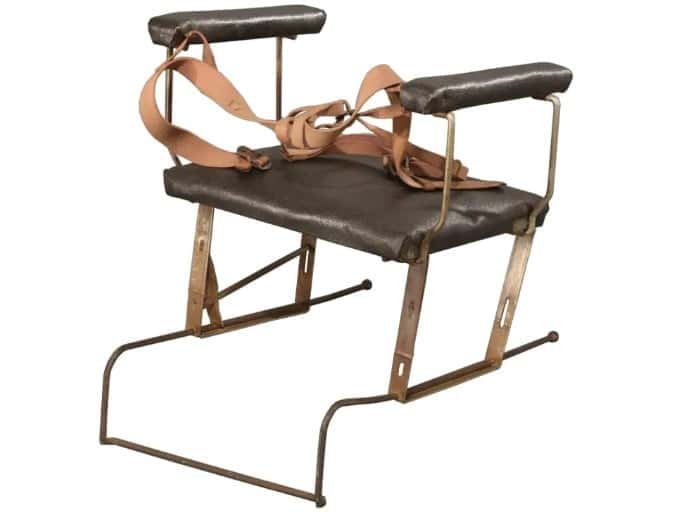
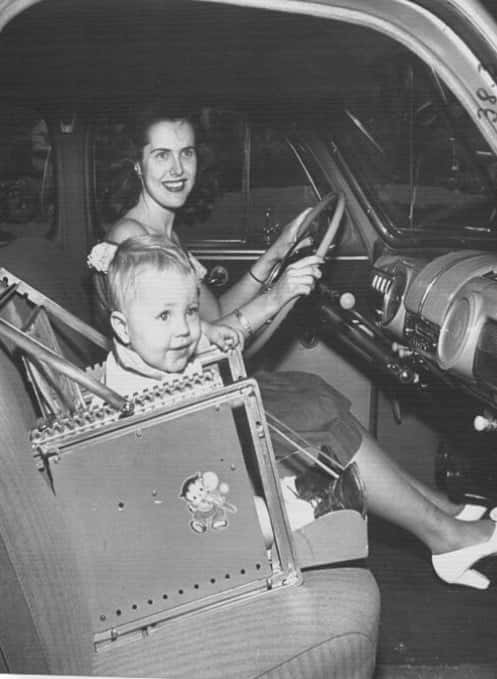
The earliest child seats, appearing in the 1930s and 1940s, were created to manage behavior more than motion. Metal-and-leather boosters like the Bunny Bear seat lifted children high enough to see through windows. Canvas sling seats hooked over the front seats helped keep kids from roaming.
These designs made travel more manageable for parents, but they weren’t engineered for impact or restraint forces. Their purpose was visibility and containment, not protection.
Safety hadn’t entered the equation yet—but it was getting closer.
A New Way of Thinking Takes Hold
The shift toward safety began in the early 1960s, driven by individuals who questioned existing assumptions.
British journalist Jean Ames introduced the Jeenay car seat in 1962, proposing two ideas that would later become foundational: children should ride rear‑facing, and restraints should disperse forces through structured harness systems rather than soft materials.
Around the same time, American inventor Leonard Rivkin developed a steel‑framed rear‑facing seat after recognizing how easily unrestrained motion could occur in everyday driving situations.
These early designs reframed child seats as protective systems, not furniture.
Learning From Physics, Not Preference
In Sweden, Professor Bertil Aldman took inspiration from aerospace engineering. Astronauts were positioned rear‑facing to manage extreme deceleration forces—and Aldman realized the same principles applied to children.
Rear‑facing seating proved better at distributing forces across the body, leading to improved outcomes across a wide range of driving scenarios. Sweden adopted stronger rear‑facing guidelines early, setting a global example.
At that point, child restraint design stopped being about comfort or convenience. It became about physics.
Standards Begin to Form
As awareness grew, regulation followed. In 1971, the U.S. introduced Federal Motor Vehicle Safety Standard 213, setting basic requirements for child seat installation.
The standard focused on how seats are attached to vehicles, which was an important first step—but it left room for improvement in how seats managed forces during real‑world impacts.
That gap didn’t go unnoticed.
Advocacy Shapes Design and Culture
Physicians, engineers, and consumer advocates began working together to improve both design expectations and public understanding. Groups such as Physicians for Automotive Safety and organizations like Consumers Union highlighted which designs worked—and which didn’t.
Advocates emphasized that child seats weren’t a lifestyle choice. They were preventative safety tools, much like helmets or safety rails.
As standards improved through the late 1970s and early 1980s, manufacturers responded with better materials, clearer instructions, and more consistent performance.
Making Safe Choices Easier
Even the best design isn’t effective if it’s difficult to use.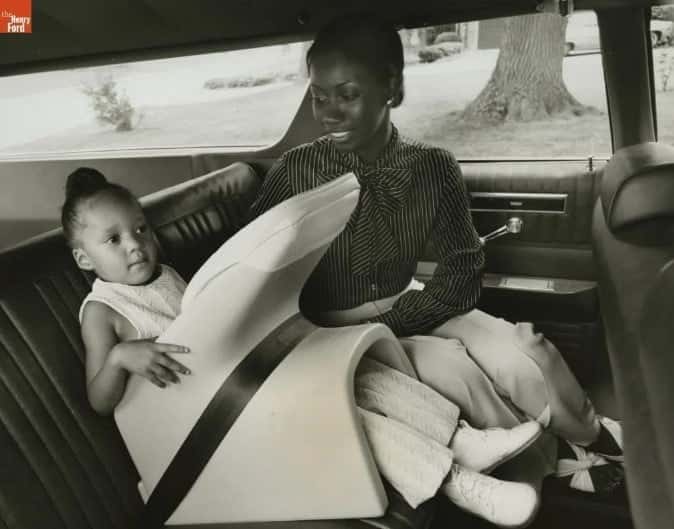
To reduce installation errors, manufacturers and regulators introduced standardized anchor systems. ISOFIX, and later LATCH (Lower Anchors and Tethers for Children), gave caregivers a simpler, more consistent way to secure seats correctly.
At the same time, booster seat guidelines expanded protection for older children, ensuring they remained properly positioned until adult belts fit as intended.
These changes weren’t just technical—they made safety more approachable.
Education Completes the Picture
As seats became more advanced, education became essential. In 1997, the Child Passenger Safety Technician (CPST) program launched to help close the knowledge gap.
Today, trained technicians assist caregivers in person and online, reinforcing proper use and adapting guidance as children grow. This widespread education effort transformed safety seats from specialized equipment into everyday tools families could trust.
By the 2000s, child safety seats weren’t just available—they were expected.
Quiet Progress That Works

Modern child seats reflect decades of learning. Side‑impact protection, adjustable harnesses, rebound control, and rigorous testing standards now define the category.
The results are clear: when used properly, contemporary car seats significantly reduce the risk of serious injury and improve outcomes in a wide range of driving situations. What once required specialized knowledge is now embedded in design, law, and culture.
That normalcy is the success story.
Why It Still Matters at Mills Automotive Group
Child safety seats work best when vehicles, restraints, and caregivers all play their part. Today’s vehicles are engineered to support these systems—through anchors, airbags, sensors, and seating geometry—working together to protect young occupants.
That’s why child passenger safety still matters at Mills.
Being Trusted for Generations means supporting informed decisions, respecting evolving standards, and helping families understand how modern safety systems are designed to protect the passengers who rely on them most.
Child safety seats may feel ordinary now. That’s not a lack of significance—it’s proof that progress took hold and stayed.
Closing Scene…
…he drives carefully — not because the road demands it, but because someone else does.
In the mirror, a tiny face watches the world pass by.
Protection, like love, changes shape when it’s no longer about you.
 The car rests in the garage.
The old man adjusts the mirror that looks into the back seat, even though it’s empty now.
The seat will be full again.
The door closes. The light fades……….
Brown, Phyllis. “How Baby Car Seats Have Evolved through Time – the History Insider.” The History Insider, 21 June 2024, thehistoryinsider.com/how-baby-car-seats-have-evolved-through-time/.
Made. “The History of How the Car Seat Made American Kids Safer.” TIME, Time, 5 Aug. 2025, time.com/7306364/history-car-seat-made-kids-safer/.
Pratt, Michelle. “The History of Car Seats» Safe in the Seat.” Safeintheseat.com, 2023, www.safeintheseat.com/post/the-history-of-car-seats.









0 comment(s) so far on It’s Worth the Drive – S1E10: The Little Seat with a Big History